Okamura's Deputies Bar Journalist from Chamber of Deputies for Three Months
USD 21,73
Popular
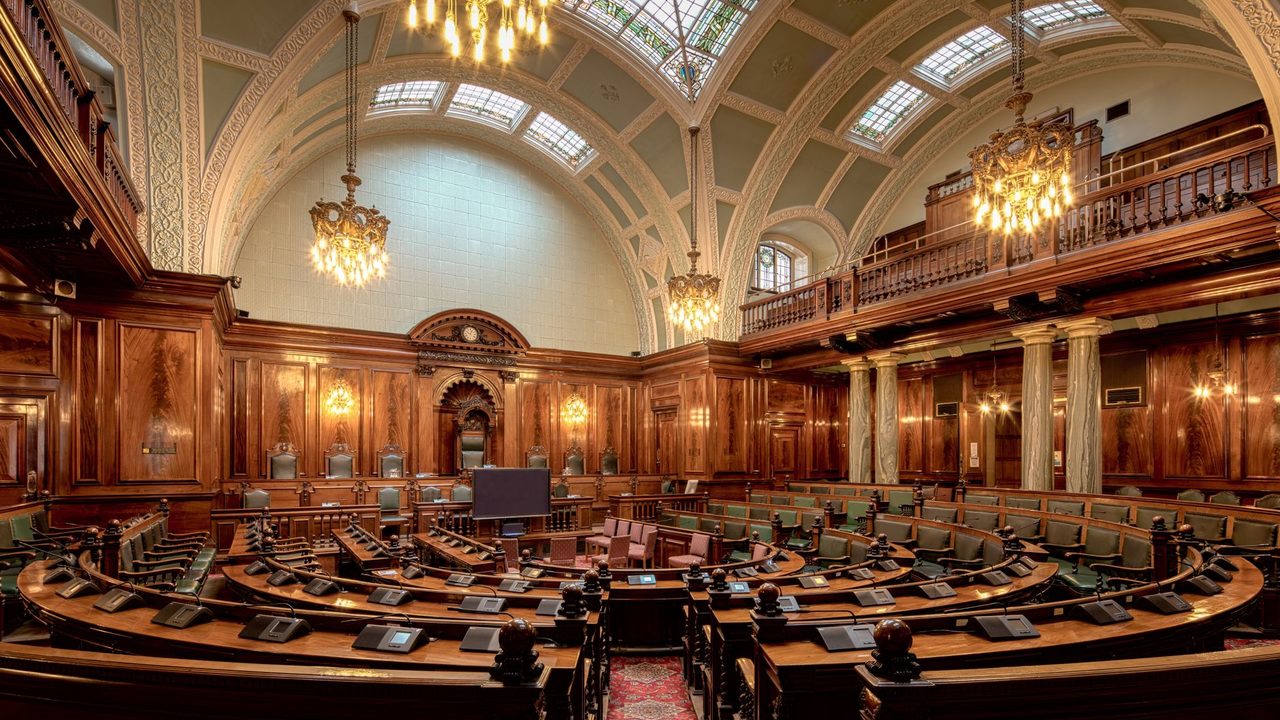
The Chamber of Deputies of the Czech Parliament, led by SPD chairman Tomio Okamura, has stripped journalist Lukáš Valášek of his accreditation for three months after he pressed SPD deputy chairman Radim Fiala in early July into admitting details about his opaque business dealings worth tens of millions of crowns. The newsroom only learned of the punishment nearly three months later — when the journalist tried to enter the parliament building again.
The story began when the reporter had long been trying to get straight answers from Fiala about the structure of his holding company. The politician had been evasive about specifics for some time, but when the journalist pointed his phone camera at him right in the corridors of the chamber, Fiala, while trying to get away, ended up disclosing information that experts say effectively amounted to an admission of conduct resembling possible tax evasion.
Punishment Without Explanation
No one informed the journalist of the decision to bar him, nor did anyone justify it — the newsroom only found out about it on Tuesday, when Valášek applied once again for one-time accreditation so he could ask deputies questions directly inside the parliament building. The security service responsible for protecting lawmakers simply refused to let him in: "Your accreditation has not been approved."
Only afterward did Gabriela Pavlíčková, head of the chamber's media and marketing department, explain in a written refusal that the reason was a "serious violation of the rules" — filming in areas where it is prohibited, and continuing to film after the deputy had said goodbye and declared he would give no further interviews.
"For security reasons, the premises of the Chamber of Deputies are subject to a special regime. The established rules serve not only to organize the work of the media, but above all to ensure people's safety and protect the premises," Pavlíčková said. The original letter, however, did not specify how long the ban would last.
Three Months of Silence and Conflicting Accounts
It was only on Tuesday evening, in response to a written inquiry from the outlet's editor-in-chief Robert Časenský, that Pavlíčková stated that Valášek's violation of the rules was so serious that his new accreditation request could not be approved until the end of October 2026. On Wednesday, she reiterated by phone that the chamber's leadership had decided on a three-month ban.
Yet the chamber's spokeswoman, Martina Lustigová, gave an entirely different account, making no mention of any three-month punishment whatsoever: "There was no decision to revoke accreditation. At present, the request for one-time accreditation has simply not been approved."
Meanwhile, Okamura himself had told journalists in the chamber's corridors weeks earlier that unnamed reporters from the outlet would have their accreditation revoked. On Tuesday, he refused to say on camera whether he had personally taken part in the decision concerning his close ally Fiala, and withdrew into a part of the chamber where journalists are barred from filming politicians.
Filming Rules — For Journalists Only
The current rules, signed by Pavlíčková and the chamber's chief of staff Martin Plíšek, ban filming of politicians across nearly the entire building, with an attached map of restricted zones. Yet the document offers no justification for the ban — and it does not apply to deputies themselves: during that same Tuesday encounter, a chamber staff member who was filming the journalist and Okamura himself was called into precisely the zone where filming is supposedly off-limits for journalists. Other politicians, it is noted, regularly film videos in these same "restricted" areas without any consequences.
Source: seznamzpravy.cz