Russia Steps Up Strikes on Ukraine: Why Kyiv's Situation Is Tougher Than It Looks
USD 21,79
Popular
While public attention has been fixed on Ukraine's successes — drone strikes on Moscow and its outskirts, explosions at oil refineries thousands of kilometres from the border, and fuel shortages in some Russian regions — the losses Ukraine itself has been sustaining have drawn far less notice.
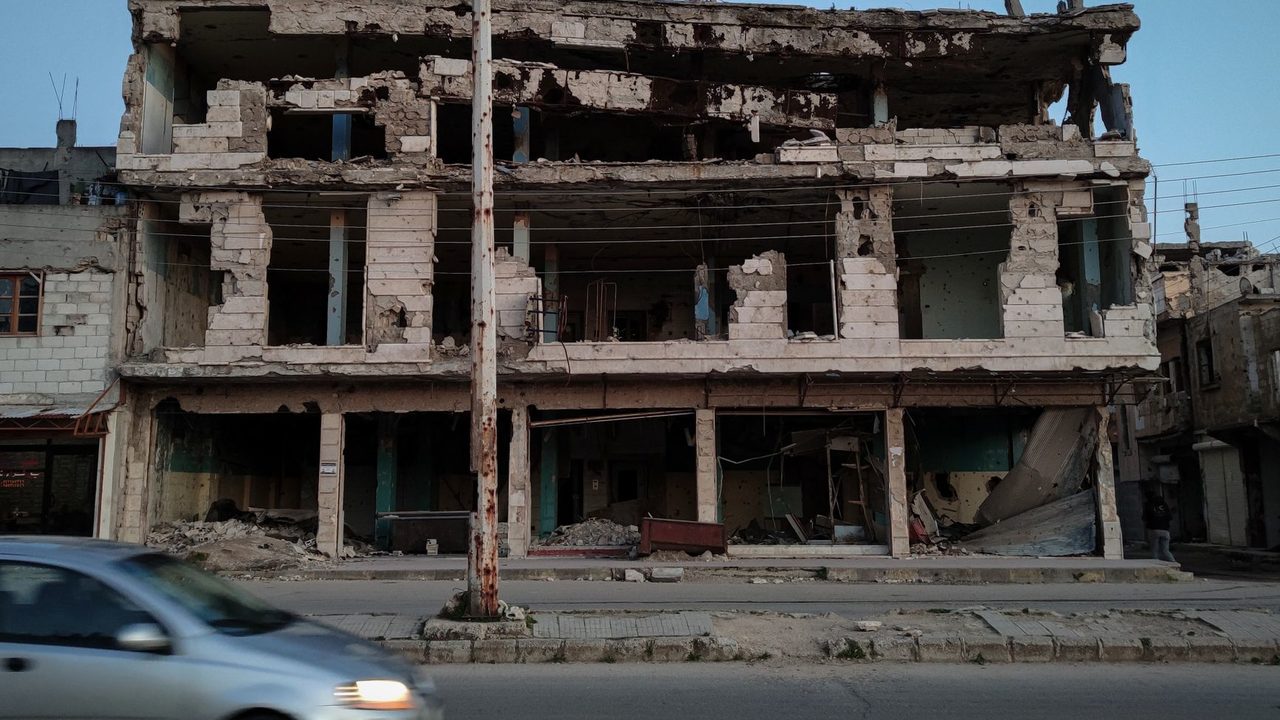
Ukrainian forces are facing an acute shortage of interceptor missiles, including for Patriot systems, which is making it harder to fend off enemy attacks. Russian strikes are hitting not only cities and civilians, but also oil refineries, storage facilities and distribution centres.
The Kremlin's New Weapons
Russia has begun deploying faster jet-powered drones and is increasingly launching attacks not just at night but during the day as well, complicating Ukraine's air-defence efforts.
At the same time, the Kremlin-controlled Russian army continues its slow advance along the front. This allows Vladimir Putin to bank on the idea that a combination of military, economic and psychological pressure will eventually wear Ukraine down.
Analysts note that this very trend could push Putin toward further escalation, since the current balance of forces — both on the battlefield and in the rear, against Ukrainian infrastructure — appears to favour Russia.
Source: seznamzpravy.cz