Satellite Photo Shows Two Hurricanes Side by Side Like a Pair of Eyes Staring Into Space
USD 21,83
Popular
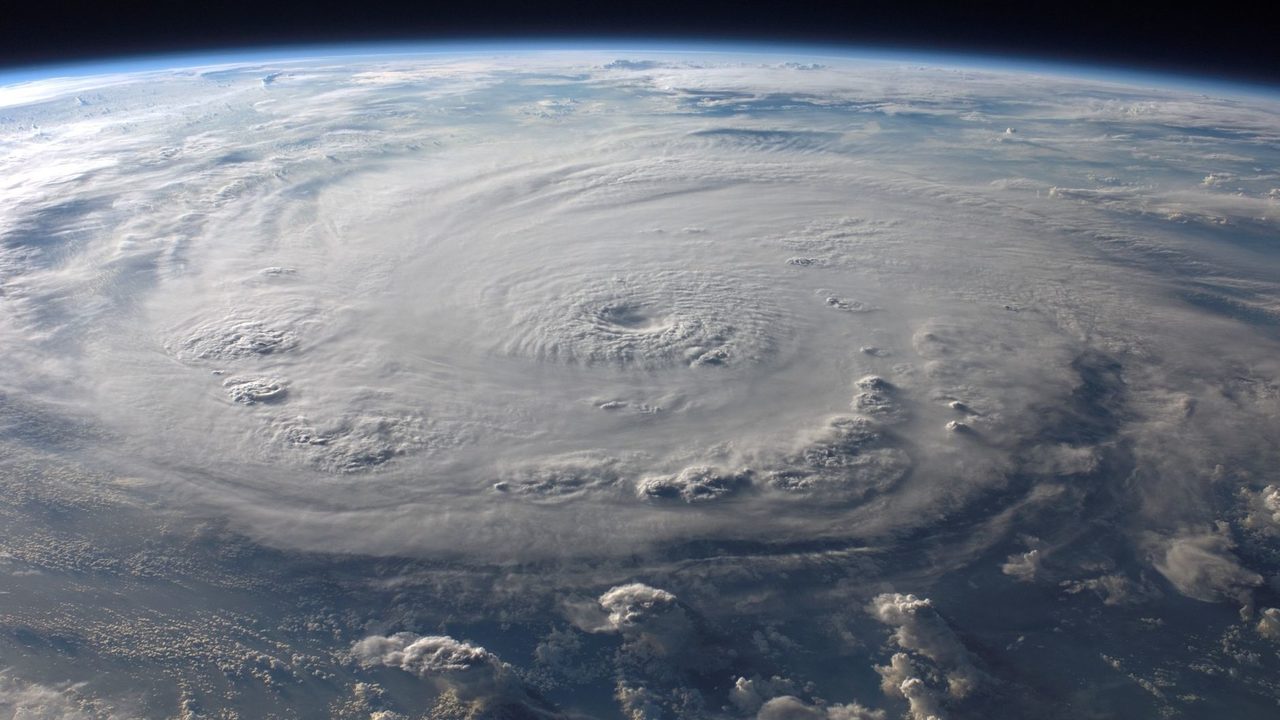
A satellite photo from a decade ago shows two hurricanes, Madeline and Lester, lined up over the Pacific and heading for Hawaii, Live Science reported in its weekly Earth-from-space series. The swirling clouds around the two storms look like a pair of eyes gazing up at space. Neither storm made landfall.
The image was taken by the Suomi NPP satellite on Aug. 29, 2016. Madeline, on the left, and Lester, on the right, were the 14th and 13th named storms of that year's Pacific hurricane season, which Live Science says is tied for the sixth most active on record, with 22 named storms. The Big Island is hidden on the left side of the image by reflected sunlight known as sunglint.
How the two storms played out
- Aug. 29: the photo is taken as the near-matching storms approach the islands.
- Aug. 30: Madeline peaks as a Category 4 storm with winds of around 130 mph (210 km/h). According to NASA's Earth Observatory, it is just under 400 miles (650 kilometers) from the Big Island, with Lester around 900 miles (1,450 km) behind on the same path. Meteorologists are unsure whether the pair will hit the island, and the Central Pacific Hurricane Center warns Madeline could pass dangerously close to it.
- Aug. 31: Madeline passes south of Hawaii, already weakened to Category 1.
- Sept. 1: Lester briefly reaches Category 4, with a top speed just below Madeline's, then quickly weakens to Category 3.
- Sept. 2: Lester passes north of the Big Island and comes within around 130 miles (210 km) of Honolulu before turning sharply north and fading out.
Even without landfall, meaning the eye of a storm moving over land, both hurricanes brought high winds, heavy rain and strong surf to the state, Live Science said.
Why Hawaii often escapes the worst
Hawaii sits in the middle of the corridor where most Pacific hurricanes form, yet it is often spared. Live Science, citing FOX Weather, gave two reasons. A near-constant area of high pressure sits on the islands' eastern side, where most hurricanes arrive from, and strong winds often blow eastward across the islands. Together they act like an invisible shield that steers storms around the state.
Hurricane Kiko in 2025 followed the same pattern: it was also photographed from space heading for Hawaii, then abruptly changed course and weakened.
Why it matters
For people in Hawaii, the lesson of 2016 is that a storm that misses can still bring damaging wind, rain and surf, and that forecasts can be uncertain until late. Live Science also warns the islands may not stay lucky. It notes that hurricanes Lowell and Lala skimmed unusually close to Kauai in August and September, damaging power lines, boats and other coastal infrastructure. Researchers think the ongoing “super” El Niño, which officially began in May and has already brought record-breaking sea surface temperatures to the Pacific, may be partly to blame, according to The Guardian. Live Science also linked the rise in extreme weather to human-caused climate change.
Around Prague, based on reporting by Live Science