Siberian permafrost thaw: scientists fear ancient viruses may return
USD 21,81
Popular
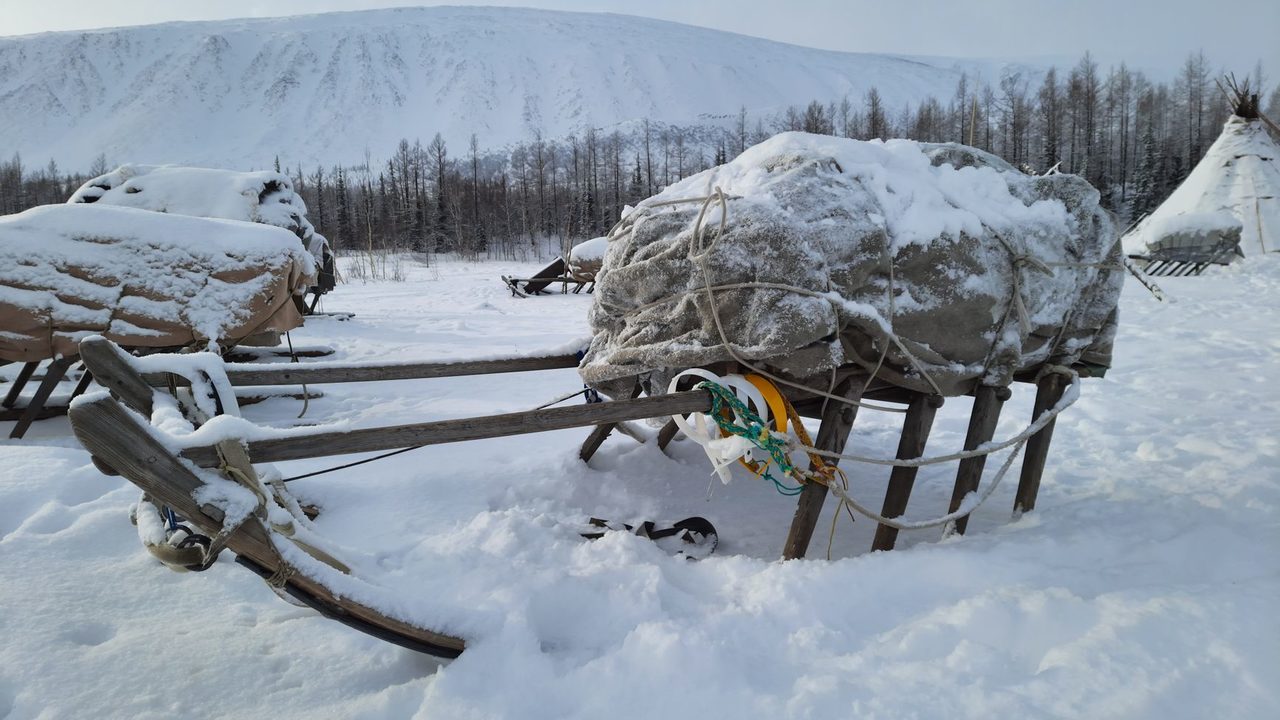
Vast areas of Siberia hold the remains of microorganisms thousands and tens of thousands of years old in permafrost. As the Arctic warms rapidly due to climate change, more and more of this “infected soil” is thawing, the news agency Bloomberg warns. Scientists fear that ancient bacteria and viruses could return along with it.
Permafrost preserves not only the remains of ancient plants and animals, but also bacteria and viruses. Under the right conditions, some of them stay viable for a very long time. Scientists proved a few years ago that this is more than a theory.
“Zombie viruses” in the lab
In 2023, an international team of researchers published a study in a scientific journal describing 13 viruses recovered from old samples of Siberian permafrost and other Arctic sites. The oldest sample was about 48,500 years old.
In the lab, researchers showed that even after so long these viruses had kept their ability to infect living cells. That is why they are sometimes called “zombie viruses”. In this case they attacked only single-celled amoebae, but the discovery showed that other viruses, whose properties we do not yet know and which could hypothetically be dangerous to humans, might survive just as long.
Scientists have also previously found genetic traces of the smallpox virus in a roughly 300-year-old Siberian mummy, as well as fragments of influenza virus genetic material in the body of a person buried in 1918. However, experts say that finding viral DNA or RNA alone does not mean the virus is still capable of causing infection.
The 2016 anthrax outbreak
The danger is also recalled by an event in 2016: an anthrax epidemic broke out on Siberia’s Yamal Peninsula. It killed a twelve-year-old boy and more than two thousand reindeer.
The outbreak was preceded by a very warm summer, during which long-frozen layers of soil were disturbed in some places. One hypothesis holds that the thawing ground exposed old sources of bacterial spores that can survive in the environment for decades. They could have infected grazing reindeer and then people. A direct link between permafrost thaw and the epidemic has not been proven, however: according to a scientific study, insufficient vaccination of the reindeer may also have played a role.
The Arctic is warming four times faster
Scientists are worried above all by the pace at which the environment beyond the Arctic Circle is changing. According to a study in a scientific journal, from 1979 to 2021 the Arctic warmed almost four times faster than the planet as a whole.
Source: novinky.cz