World's Driest City Flooded: A Year's Worth of Rain Falls in Just Three Days
USD 21,74
Popular
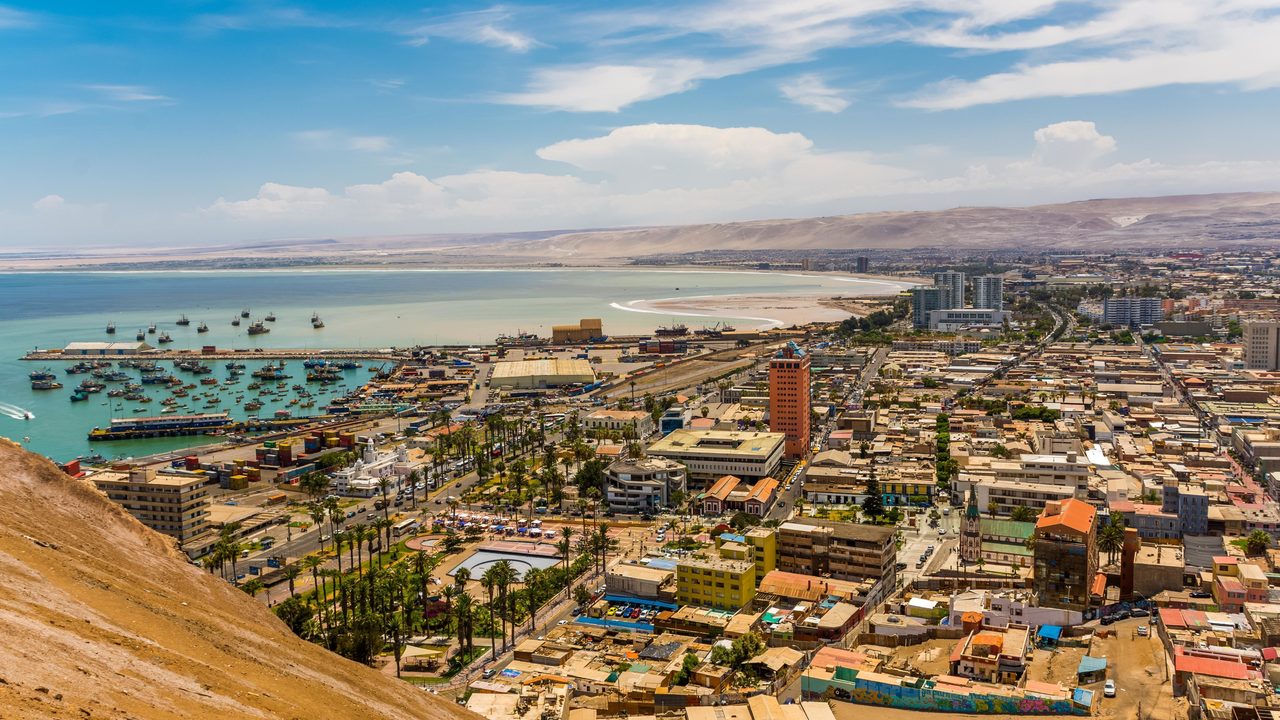
Arica, the Chilean city widely regarded as the driest place on Earth, has just experienced unprecedented downpours. Between August 16 and 18, the city received 13.4 millimetres of rainfall — enough to shatter its all-time annual record. According to Chile's national weather service, MeteoChile, this event set historic precipitation highs across 24-, 48-, 72-, 96- and 120-hour periods.
A figure of 13.4 millimetres might not sound like much, but for Arica it's a genuine climate anomaly. Since the start of the year, the city has recorded 15.1 millimetres of rainfall in total — more than in any full year since records began. Arica's typical annual average is a mere 0.76 millimetres.
The City With the Longest Dry Spell on Record
Arica is routinely cited as the driest city on the planet. It still holds the world record for the longest stretch without measurable rainfall — from October 1903 to January 1918, or more than 14 years without a single drop. While the city doesn't sit in the middle of a desert in the classic sense, the combination of the Andes' rain shadow and the cold Humboldt Current makes precipitation there extraordinarily rare.
A similar story is unfolding further south in Iquique, where 16 millimetres of rain fell over eight days — roughly twenty times the city's usual annual total. Iquique's yearly rainfall record has also already been broken.
Floods, Landslides and Power Outages
Rain that is normally almost unheard of in this region has triggered devastating floods and landslides. According to the meteorological portal El Hilo Chileno, hundreds of homes have been damaged in Arica and Iquique, and tens of thousands of people have been left without electricity.
The catastrophic flooding has also affected other parts of northern Chile as well as southern Peru. Meteorologists point to a rapidly intensifying El Niño as the driver of these abnormal downpours: significant warming of the tropical Pacific Ocean is altering atmospheric circulation and fuelling intense rainfall along South America's western coast.
Source: novinky.cz