Signi founder Ondřej Sinovec: Czech e-signature startup to hit CZK 60m

USD 21,73
Popular
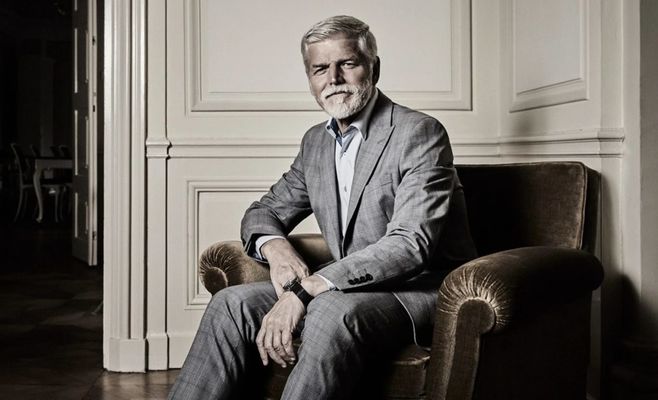
Ondřej Sinovec, founder of the Czech startup Signi, expects to bring the company’s revenue to 60 million crowns this year. The story began with a small everyday problem: around 2016 he needed to sign an acceptance certificate with a cleaner, and had neither a template nor a printer to hand.
The second push came from the digital agency he was running at the time: developers were constantly waiting for signed non-disclosure agreements and acceptance certificates from clients. Sinovec combined the two problems and came up with an app in which contracts and electronic documents can be created, agreed, signed and archived straight from a phone.
The market, however, turned out not to be ready. “People said: you will see our contracts, and we won’t even keep them in our own folder?” The project had to be put on hold. Sinovec waited three years and returned to the idea only in 2019, launching the startup iSmlouva.
A mistake worth more than half the company. In the first investment round he gave investors over 50% of the firm. Today Sinovec speaks about it plainly: it is a classic mistake that he advises others not to repeat. The situation was put right by a second round: a new investor bought out the earlier business angels’ stake. In 2021 Česká spořitelna joined the company through the venture fund Seed Starter. Such a large and traditional partner, in the founder’s words, gives enormous momentum but also brings obligations.
In January 2021 iSmlouva changed its name to Signi: the Czech name did not work abroad and confused customers. Companies used the app to sign orders, acceptance certificates, HR documents and various consents, while the name gave the impression that it was a service only for contracts. The new name goes back to the English word “sign”.
The numbers. Signi supports all three levels of electronic signature under the eIDAS regulation: simple, advanced and qualified. Since Česká spořitelna came on board, revenue has more than tripled. Last year the company earned 40 million crowns, and this year it expects 60 million. It has 30 employees and, besides Czechia, operates in Slovakia, Hungary and Austria, with clients in other European countries too.
HR as an unexpected engine. The breakthrough came from an unexpected direction. An amendment to the Labour Code that took effect in October 2023 made electronic signing of employment documents easier. “I would never have thought I would say this, but today it is HR departments that drive digitalisation in companies,” says Sinovec. Eight out of ten new clients come to digitalise their HR documents.
What this gives businesses. Above all, time: deadlines shrink from weeks to hours, and 85% of documents are closed through Signi within a day. An estate agent saves about 13 hours on a single deal, and one retail chain estimated savings of around 250,000 crowns on 1,500 signed documents. The second argument is security: according to Sinovec, even a simple electronic signature is more reliable than paper if the rules are followed. A detailed audit trail is generated for every document, and any later change to a signed file is detected immediately.
Today Signi has more than 2,500 clients, including Alza, DHL, Tesco, Kofola, TV Nova and Air Bank.
Paper is on its way out. In 2021 about 100,000 documents went through the service, the company passed its first million in 2024, and in September this year it marked its five-millionth. Since the start of the year alone, clients have signed more than two million documents: if printed and laid out in a row, they would stretch over 1,100 kilometres, roughly the distance from Prague to Rome.
There is still plenty of work to do, though: by Sinovec’s estimate, fewer than 10% of Czech companies have introduced fully digital processes without paper documents. And that, in his words, is only the beginning.