Anxiety Grows Inside ANO: Prices Soar While Campaign Promises Are Forgotten

USD 21,79
Popular
Inside the Czech governing movement ANO, internal anxiety is mounting over the sharp rise in prices for basic goods and services — fuel, electricity, gas and food. While Deputy Prime Minister Karel Havlíček publicly acknowledges the approach of a new energy crisis, Prime Minister Andrej Babiš keeps assuring voters that only better times lie ahead.
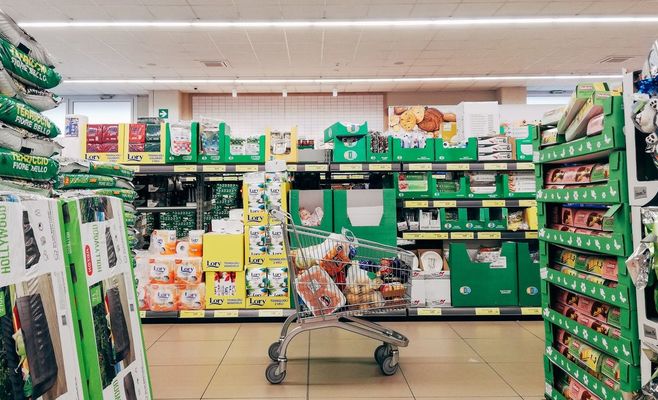
After last year's elections, ANO expected to govern against a backdrop of gradual budget consolidation and economic recovery. But the war in the Middle East and a drought that hit agriculture hard have changed the picture. Mortgage rates and fuel prices have already hit record highs, while electricity and gas are becoming noticeably more expensive — this winter, households will pay more for heating, and food prices are set to follow.
Havlíček Admits the Crisis, Babiš Promises "Things Will Get Better"
Babiš himself is formally not to blame for either global events or the drought. But after years of blaming the previous government for the "Fiala-era price hikes," he has trained his voters to believe those in power can solve any problem — and if life doesn't get cheaper, it must mean the government is either incompetent or doesn't care about people.
Now that external factors are driving up prices significantly, there is fear within ANO about how voters will react. "We need to admit it — a new energy crisis has begun," Havlíček said on the podcast he co-hosts with the prime minister, lamenting that the movement is facing "one problem piling on top of another." According to him, critics wrongly assume the budget is being drafted "in wonderful times," when in reality there's a war going on.
Babiš, meanwhile, is taking advantage of the fact that the main wave of price hikes hasn't yet reached ordinary voters. When the budget was approved, he declared: "This is a budget for your better life, just as we promised. Don't believe anyone who talks about a grim future. With us, your future is bright — trust me." SPD leader Tomio Okamura strikes a similar tone, boasting about the current drop in food prices and claiming that "butter is already cheaper than at SPD fairs."
What the Statistics Say — and Where the Budget Money Is Going
Yet economic forecasts and statistics point clearly toward further price increases. The government is preparing to cap fuel prices and cut fuel excise duty, while a possible cap on electricity and gas prices in the future is also under discussion.
The state will continue covering renewable energy surcharges on behalf of households — a measure that costs the treasury roughly 18 billion crowns a year. "I admit that if the state stops paying for this, the deficit will shrink, but energy prices will rise by 10% for each of you," Havlíček explained, laying out the government's reasoning.
All of this will place a heavy burden on the state budget next year — at a time when the budget deficit already stands at 386 billion crowns, and borrowing has become expensive for the Czech Republic.
Unfulfilled Promises Are Piling Up
Sources within ANO note that anxiety in the movement is being fueled further by the government's failure so far to deliver on its election promises to the extent planned. There are no cheap mortgages, no cheap energy. Corporate taxes haven't been cut, the higher pension valorization hasn't been restored, and the retirement age hasn't been lowered. The promised discount on transport fares for pensioners has also remained only on paper.
All these commitments will have to be fulfilled by the government in the coming years — precisely as prices for the goods mentioned above, and consequently state spending, continue to rise, even as the cabinet has pledged to cut the budget deficit at the same time.
Source: seznamzpravy.cz