Czech Health Ministry audits staff computers: 42% of internet activity is personal business
USD 21,73
Popular
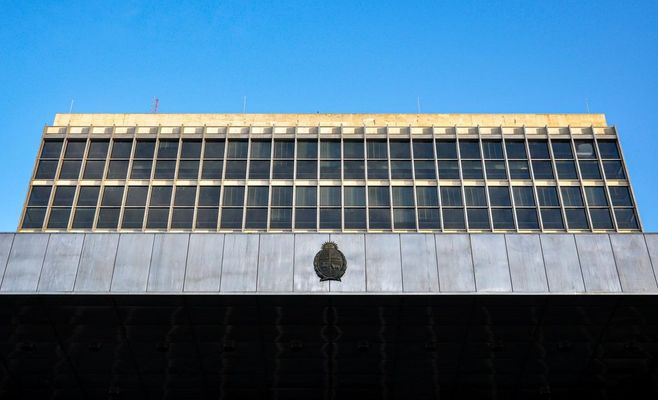
The Czech Ministry of Health, led by Adam Vojtěch (ANO), commissioned an analysis of how its employees use their work computers. The results turned out to be surprisingly harsh: according to the study, misuse of working hours at computers is above average at this ministry, and staff spend more than 42% of their time online on personal matters.
The audit itself sparked outrage among employees, who drew up a petition claiming that the firm hired by the ministry gained access not only to their work activity but also to their bank accounts, health data and other sensitive personal information. Opposition politicians called it outright surveillance of civil servants.
Readers side with the minister
The comments under the story showed that most readers backed the ministry's initiative rather than the affected officials. The main argument was that civil servants are paid with taxpayers' money and should therefore expect to be monitored.
"Checks like this on how working time is used are absolutely normal. If working hours were fully used at some agencies, it might be possible to significantly cut the number of state-paid officials," one reader wrote in the discussion.
Other commenters pointed to the legal side of the issue: monitoring the use of equipment is lawful, but surveillance of employees' personal data without their knowledge may violate labour law. Some stressed that what matters is not physical presence at a desk but the actual outcome of the work — if an official can finish their tasks in half a shift, the problem lies in workload organisation and overstaffing rather than in the employee.
A debate over norms and humanity
Several readers pointed out that expecting eight hours of uninterrupted productivity is psychologically unrealistic: for an office worker, four to six hours of genuinely productive mental work within an eight-hour day is already considered a good result, with the rest naturally spent on communication, routine tasks and switching between activities.
Others spoke up in defence of the officials, questioning whether such surveillance breaches labour law and drawing parallels with any other profession where employees naturally pace their workload throughout a shift. "Are we robots?" one participant asked rhetorically, noting that the story broke just as discussions were underway about raising civil servants' salaries from January 2027.
Source: seznamzpravy.cz