Eel Becomes an Increasingly Rare Fish in Czech Waters as Climate Change Takes Its Toll
USD 21,73
Popular
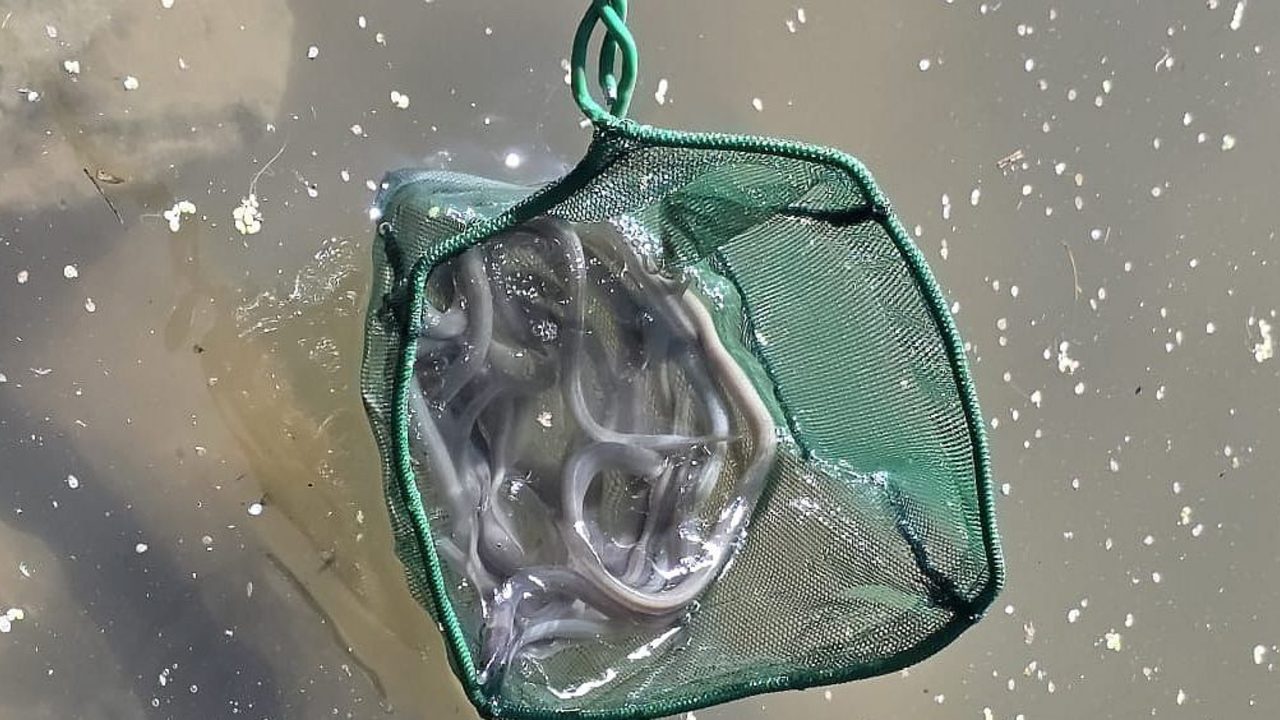
In the town of Blansko, the local anglers' association released half as many young eels into area waters this year as usual — 250 instead of the typical 500. According to association chairman Martin Sklarž, the reason lies in climate change, which is making it harder to breed this fish with every passing year.
The young eels — females roughly 15 centimetres long (males aren't found in fresh water) — are brought in from the Slovak town of Vrútky. There they're raised for about six months until they reach the required size. Slovakia, in turn, sources its own fry from the coast of France.
A Long Road to Catchable Size
Once released into ponds and reservoirs chosen according to strict criteria, an eel needs about four more years to reach the catchable length of 55 centimetres. Even so, Sklarž noted, most anglers consider a fish of that size still too small — calling it a "shoelace" — and typically toss it back.
Strict Oversight and the Mystery of Reproduction
Getting permission to import and release eels is no small feat. The species is protected under strict EU regulations as well as the international CITES convention, which governs trade in endangered animals.
"Preparing all the necessary paperwork and obtaining permits takes enormous effort, patience and specialised expertise," Martin Sklarž stressed.
He also pointed out that civilisation has effectively cut off the eel's natural migration routes, and scientists still haven't managed to pinpoint its spawning grounds in the Atlantic Ocean. According to Sklarž, the eels now being released into ponds and waterways across the Blansko region matter not just for the health of the aquatic ecosystem, but for the future and appeal of local fishing grounds as well.
Read also: 8 best swimming spots near Prague: lakes, quarries and beaches within an hour of the capital
Source: novinky.cz