Former Finance Ministers: Czechia Is Borrowing Not for Investment, but for Current Spending
USD 21,73
Popular
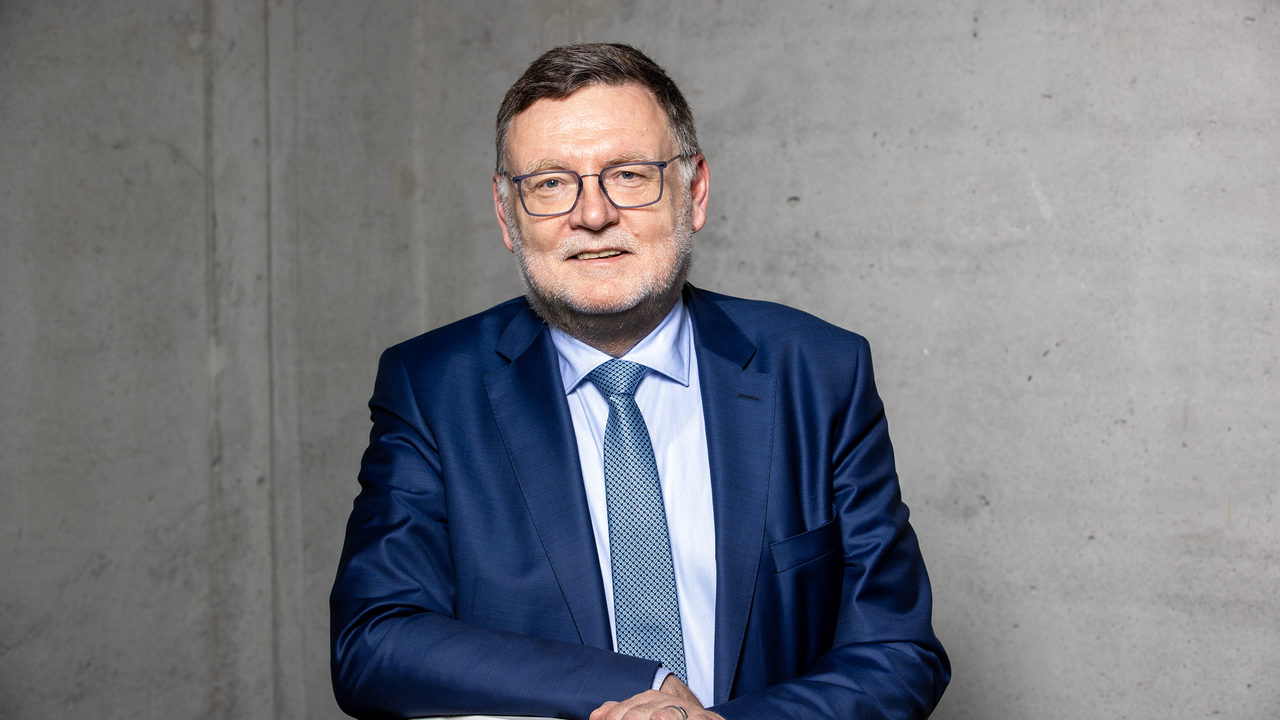
Former Finance Minister Zbyněk Stanjura (ODS) predicts that the Czech state budget deficit could reach roughly 370 billion crowns next year. He made the comment on the Sunday programme Polední s Moravcem, alongside Ivan Pilný (ANO), who served as finance minister under Bohuslav Sobotka's government — both were critical of the direction in which public finances are heading.
"I'd guess it will be around 370 billion, but that's just based on what government representatives themselves have been saying," Stanjura said, stressing this was his personal estimate. According to him, statements from cabinet members suggest that the 2027 deficit will exceed this year's figure.
This year's approved budget envisions a deficit of 310 billion crowns. Last year the state finished with a deficit of 290.7 billion crowns. If Stanjura's forecast proves correct, the deficit would grow by another 60 billion crowns compared to the current plan.
Stanjura's main criticism concerns the reversal of the underlying trend: in his view, during periods of economic growth the state should instead be reducing the structural deficit and building up reserves for times of stagnation or recession. The current government explains the rising expenditure by the need to finance investment — Prime Minister Andrej Babiš has previously argued that without loosening the fiscal responsibility rules, it would be impossible to draft a budget without jeopardising funding for healthcare, the social system, and motorway construction.
"We're eating up everything we collect"
Pilný believes the more serious problem isn't the size of the debt itself, but the pace at which it's growing and the structure of state spending. In his view, ever since the Covid era, most of the increase in debt has gone toward consumption rather than investment.
"Practically everything we collect, we eat up," Pilný said, summing up his position. In his view, growing mandatory expenditures are leaving less and less room for the state's real priorities, and until that changes, talk of priorities and investment is pointless.
Pilný noted that when assessing investment, one cannot look only at construction costs — motorways, power plants and other infrastructure will still need to be maintained and upgraded by the state down the line. Besides classic infrastructure, he named education, science, research and innovation as investments in the future as well.
Stanjura, for his part, rejected the notion that the state has sharply increased investment spending compared to the past — its share has held steady at roughly nine to ten percent of the budget. "It's not true that we're borrowing for investment. We're borrowing for current operations, for what we're eating up," he said.
Why the State Wants Full Control Over ČEZ
The former ministers' criticism wasn't limited to the budget. Both agreed in their assessment of plans to bring the energy company ČEZ fully under state control. Czechia currently owns nearly 70 percent of the company, and the current government intends to buy out the remaining shares from minority shareholders as well — the first steps toward restructuring the group have already begun: a general meeting in June approved spinning off part of the non-production assets into a new subsidiary.
"What task would the state accomplish with 100 percent of the shares that it can't accomplish today with 70 percent?" Stanjura asked. He pointed to the massive investments ahead for ČEZ: by his rough estimate, around 500 billion crowns will be needed to complete Dukovany, and roughly the same amount for the company's other investments over the next five to six years. It's worth noting that the previous Fiala government, in which Stanjura served as finance minister, also spoke of fully nationalising ČEZ's production arm.
Pilný voiced a similar view: he said the state, thanks to its nearly 70-percent stake, already effectively controls the company — it can decide on dividends and change the leadership. He dismissed expectations that full nationalisation alone would bring down electricity prices for households and businesses.
"It will definitely have no effect whatsoever on the price of electricity — that's complete nonsense," Pilný said. In his view, the way new nuclear units are financed won't change either, and the high costs don't end with construction — operating and modernising the power plants will require tens of billions more. "Who pays for that? Only those the electricity gets sold to. In other words, companies and citizens will foot the bill," he added.
The Airport as a Budget Patch
Both former ministers were also sceptical about plans to partially sell Prague Airport. Prime Minister Babiš said in July that the state could list up to 40 percent of its shares on the stock exchange in 2028.
Stanjura said he wouldn't put such a large stake up for public listing without a clear idea of who the buyer would be. In his view, the airport represents strategic infrastructure, and it would make more sense, for instance, to bring in a strategic investor interested in its further development.
Pilný is even more critical. In his view, selling part of the airport could primarily serve as a one-off patch for the state budget. "Essentially, it's nothing more than topping up the state budget. I honestly don't see any other reason for it," he said. The state, he estimated, could raise tens of billions of crowns, but that money could end up being spent within a short time.
Source: seznamzpravy.cz