Hungary Sinks Barges Near Paks Nuclear Plant to Save Reactor Cooling
USD 21,79
Popular
In Hungary, a sharp drop in the Danube's water level near the Paks Nuclear Power Plant has forced authorities to sink two 80-metre barges in an effort to raise the river's level and keep the plant's reactors running. The news was announced by Hungarian Prime Minister Péter Magyar (Tisza party) on his Facebook page.
According to him, sinking the barges is only a temporary fix. Within a few weeks, work is expected to be completed on a submerged weir built directly into the Danube's riverbed at the same site, which should provide a more stable, long-term solution for raising water levels. "We're doing this so we don't have to shut down the two reactors that are still operating," Magyar said.
Military Helicopters Deliver Concrete
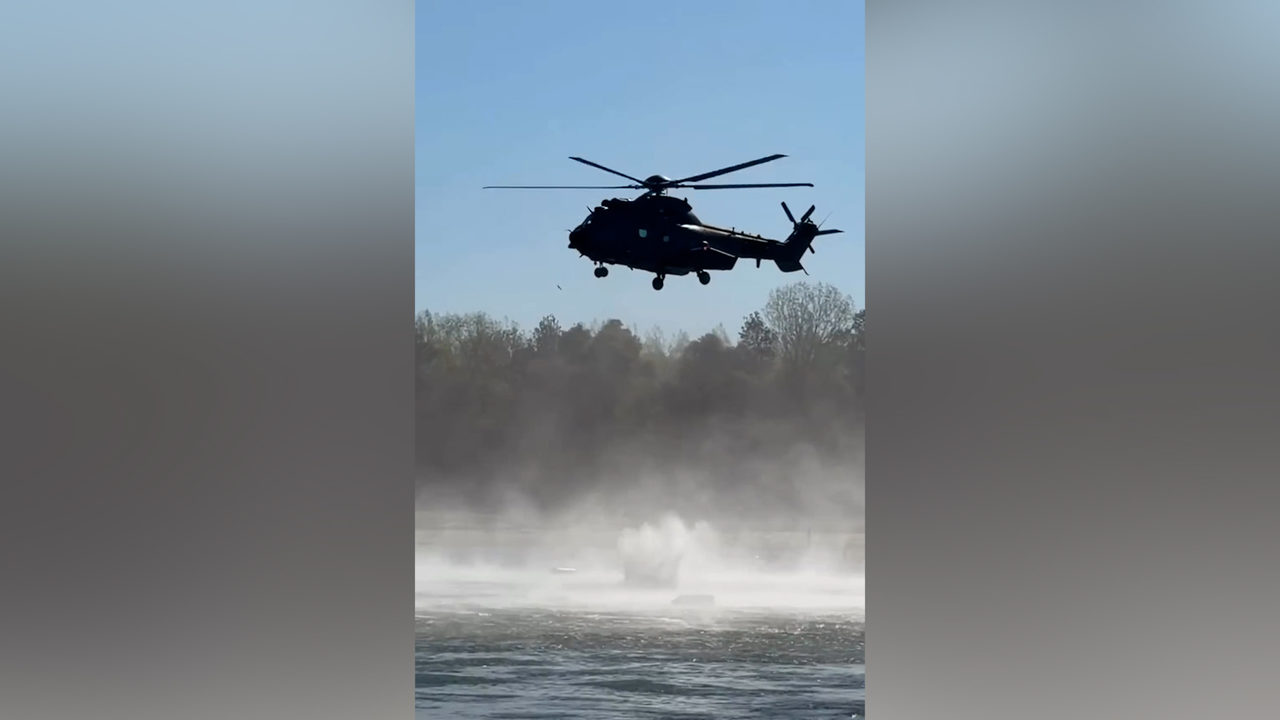
To build the underwater weir, trucks are hauling stone to the Danube's banks, while the heaviest two-tonne concrete blocks are being lowered into the riverbed using military helicopters.
The Hungarian government decided not to wait for the Danube to fall below the critical threshold that would threaten the operation of the country's only nuclear power plant. The main goal is to ensure water reliably reaches the intake points through which the plant draws cooling water for its reactors.
The Plant Had Already Lost Power Once
After the Danube's water level dropped critically in early August, the Paks Nuclear Power Plant — located roughly a hundred kilometres south of Budapest — was left running on just one turbine. The plant had to temporarily cut output to 240 megawatts, far below its normal capacity of up to 2,000 megawatts. It didn't have to shut down entirely, however, and earlier this week engineers managed to bring the second turbine back online.
Under normal operation, the Paks plant supplies about half of Hungary's total electricity consumption, making its uninterrupted operation critical to the country's energy system.
Read also: Prague Metro: map and tickets
Source: novinky.cz