A Scorpion the Size of a Dog Stalked Land and Water 415 Million Years Ago
USD 22,33
Popular
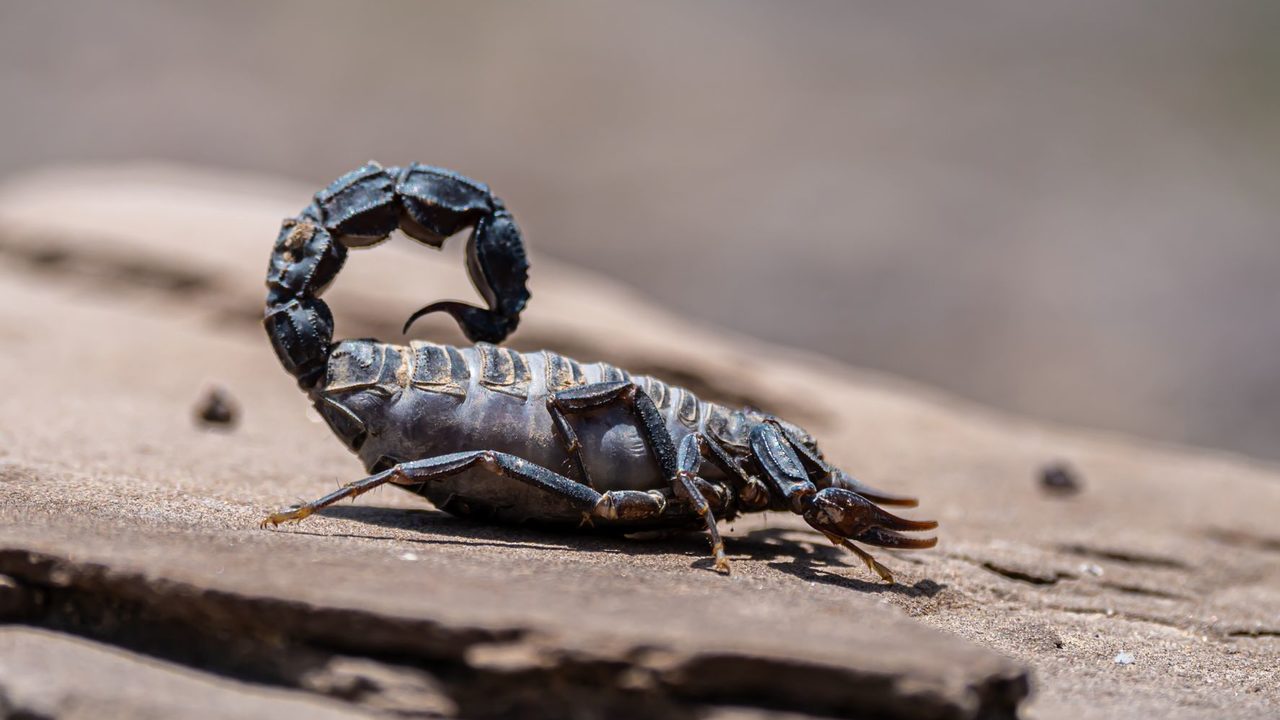
A fossil scorpion that lived around 415 million years ago may be the largest ever to have existed. ScienceAlert reported that a new analysis of British fossils identifies the animal, named Praearcturus gigas, as a predator that stretched past a meter (3.3 feet), roughly the size of a medium dog.
The study, published in the journal Palaeontology, also suggests the creature was not confined to dry ground. It probably hunted in water as well, which raises a puzzle about how its family tree developed.
What is Praearcturus gigas?
It is an ancient scorpion known from fossils found in the UK. Those fossils were first described in the 1870s, and scientists have argued ever since about what exactly they represent, according to ScienceAlert.
The new work combined CT scans with traditional camera lucida tracings, an old method of drawing a specimen by hand. The researchers also compared the British fossils with specimens of another ancient scorpion, Eramoscorpius, from Canada. That comparison helped confirm where P. gigas belongs in the scorpion family tree.
How big was it?
Its pincers alone measured 16 centimeters (6.3 inches) long, which is longer than the entire body of many scorpions alive today, ScienceAlert said. The whole animal is estimated to have grown past a meter (3.3 feet).
That size is the reason researchers describe it as possibly the biggest scorpion on record. The word “possibly” matters, because the figure is an estimate drawn from fossils rather than a measurement of a complete living animal.
Why did it grow so large?
Lead researcher Richie Howard, a paleontologist at the Natural History Museum in the UK, pointed to the world it lived in. Life on land was just starting out, and the ancestors of reptiles, mammals and birds had not yet left the water. Howard said this suggests the scorpion may have reached its size because there were no other large predators, which let it dominate its environment.
That is an interpretation, not a proven cause. The researchers frame it as a suggestion.
Did it live on land, in water, or both?
Probably both. Land at the time was not yet a developed ecosystem, so there was little up there to feed a large hunter. Fossils from Wales show flap-like structures called epimera on the animal’s body, similar to features found on modern lobsters and crabs.
Howard and his colleagues think P. gigas hunted in water and on land, wherever prey could be found.
The team also found ridge patterns on one of its limbs. These may be evidence that the scorpion could make sound by rubbing parts of its own body together, a behavior called stridulation that some scorpions still use today.
Why does it matter?
The find reshapes the picture of what the earliest land ecosystems looked like. Long before dinosaurs, a top predator existed that was far bigger than the scorpions people encounter now, and it appears to have moved between habitats rather than staying in one.
It also bears on a larger question about how scorpions evolved. Paleontologist Greg Edgecombe, also of the Natural History Museum, said the best family trees built from DNA sequences place scorpions close to other arachnids that share book lungs, such as spiders. That predicts scorpions descend from an air-breathing ancestor. If so, Edgecombe said, Praearcturus is an example of an animal that likely returned to the water after its ancestors moved onto land.
For readers, the practical takeaway is perspective: the scorpions living today are small compared with their distant relative, and the new study offers a clearer view of how life moved between sea and land.
What happened to the giant scorpion?
Its advantage did not last. Millions of years later, land filled up with millipedes the size of cars and dragonflies as big as birds of prey, in forests that had not existed when P. gigas was around, according to ScienceAlert.
Rising competition for food may have pushed the giant scorpion into decline. The researchers think it could have survived for another 40 million years beyond the age of these fossils before disappearing for good.
Read next
Fossil Teeth Hint That Coastal Dinosaurs Ate Seaweed 100 Million Years Ago
11-Month-Old Found Alive After 24 Hours Buried in a Dog Crate
Robot Dog Guided by Lab-Grown Neurons Finds Its Way to a Target on a Map
Around Prague, based on reporting by ScienceAlert