Science & Space By

Old Prescriptions May Leave Gut Bacteria Fingerprints Years After You Stop
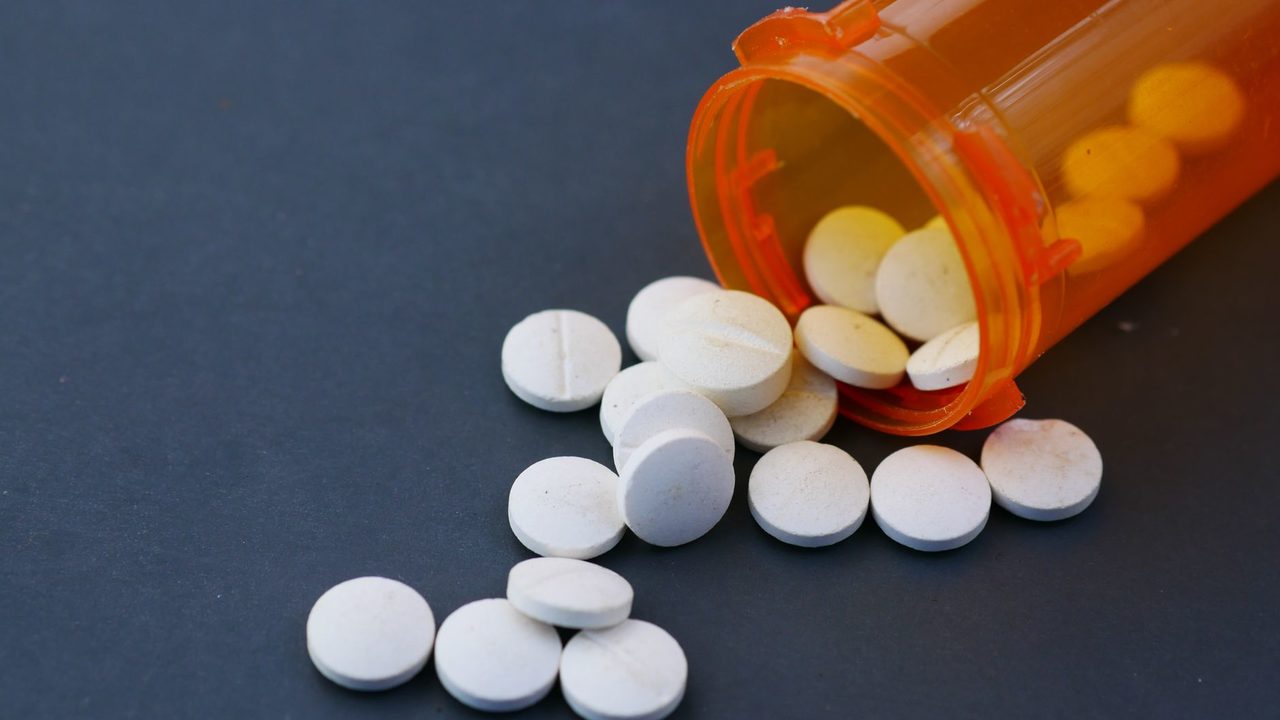
Medicines you stopped taking years ago may still be shaping the bacteria in your gut. A large study from the University of Tartu Institute of Genomics found that many commonly prescribed drugs leave detectable changes in the gut microbiome long after people stop using them, according to ScienceDaily, which drew on material from the Estonian Research Council.

The researchers stress that the changes are not shown to be harmful. The main message is for scientists: past drug use can explain a good deal of the difference in gut bacteria from one person to the next.

What the researchers did

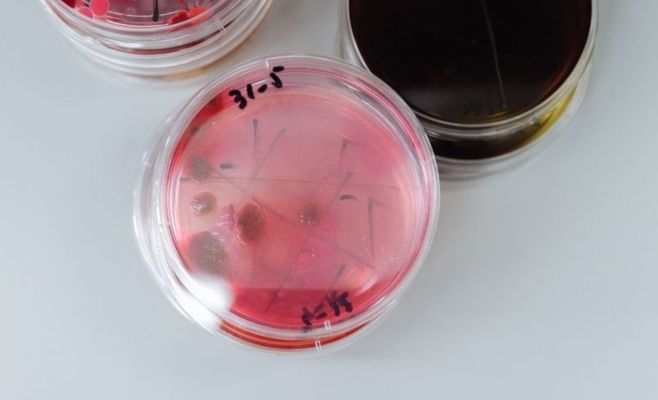
The team examined stool samples and prescription histories from more than 2,500 participants in the Estonian Microbiome cohort, part of the Estonian Biobank. Most of the medications they studied were associated with differences in gut bacteria. A substantial number left microbial "fingerprints" years after patients had stopped taking them.

The gut microbiome is the large community of bacteria and other microorganisms in the digestive tract. These microbes play roles in digestion, immune function and overall health.

Which medications showed up

The findings went well beyond antibiotics, which are already known to disrupt gut bacteria. Antidepressants, beta-blockers, proton pump inhibitors and benzodiazepines were all linked to differences in the microbiome. Beta-blockers are commonly prescribed for high blood pressure and certain heart conditions, and proton pump inhibitors reduce stomach acid and are often used for acid reflux. Benzodiazepines are often prescribed for anxiety.

Benzodiazepines stood out. The researchers found they were associated with microbiome changes comparable to those seen with broad-spectrum antibiotics, which target a wide range of bacteria. Drugs in the same class did not always behave alike, either. Diazepam and alprazolam are both benzodiazepines used for similar conditions, yet they appeared to differ in how strongly they disrupted gut bacteria.

Evidence that the drugs, not the patients, drive the change

A study of this kind can show links but not always cause. To test whether the drugs themselves were responsible, the team collected additional stool samples from a smaller group of participants and looked at how the microbiome shifted when people started or stopped certain medications.

They saw predictable shifts, which gave added evidence that the drugs were contributing, not just reflecting differences already present in patients. The follow-up group was relatively small, but the researchers were able to verify lasting effects for several drug categories: proton pump inhibitors, selective serotonin reuptake inhibitors (SSRIs, a widely prescribed type of antidepressant), and certain antibiotics, including combinations of penicillins and macrolides.

Why it matters

For patients, the study does not show that any of these medicines cause health problems through the gut, and it offers no reason to change a prescription. The authors say the findings do not establish that the microbial changes are necessarily harmful or that they lead to specific conditions.

The practical weight falls on research and care that relies on microbiome data. Many studies consider only what a person takes now. Lead author Dr. Oliver Aasmets said past drug use can be just as important, calling it a surprisingly strong factor in explaining individual differences in the microbiome.

That could change how studies are read. If earlier medications are ignored, scientists may blame a microbial difference on a disease or another health factor when past drug exposure played a part. Professor Elin Org, the corresponding author, described the work as a comprehensive, systematic evaluation of long-term medication effects using real-world health records, and said she hopes researchers and clinicians will factor in medication history when interpreting microbiome data.

The results also show how much is still unknown about the long-term relationship between medicines and gut bacteria, including what the lasting changes mean for the people who carry them.

Around Prague, based on reporting by ScienceDaily
Share: Telegram WhatsApp

More science news

Why Does the Right Brain Run the Left Body? A 500-Million-Year Theory
Why does the left side of your brain handle the right side of your body, and the other way around? Two neuroscientists at the University of Minnesota, Martin Wessendorf and Daniel Wang, have proposed
Houston’s Space Center Turns 65: From Gemini to 298 Station Visitors
NASA’s Johnson Space Center in Houston is marking 65 years of human spaceflight. The agency says the center has shaped American crewed missions from the Gemini flights through the Apollo Moon landings
Falcon 9 Booster Flies for the 14th Time to Launch Secret Spy Satellites
SpaceX launched a batch of classified satellites for the National Reconnaissance Office on Sunday, Nov. 22, on a mission called NROL-136, Space.com reported. A Falcon 9 rocket lifted off from Launch C
Physicist Builds a Black Hole From Logic Gates, and It Leaks
A physicist in Japan has built an analog black hole out of digital logic, and it behaved in a way a real black hole is not expected to. When he changed a single bit inside its horizon, a small part of
Scientists Hunting a Shipwreck Found a Seafloor Littered With Washing Machines
A NOAA expedition in the Gulf of Mexico went looking for a shipwreck and found a seafloor strewn with refrigerators, freezers and washing machines, ScienceAlert reported. The cargo, lost from a shippi
Giant Early Black Holes Leave Astronomers Unsure What Came First
Astronomers have long assumed that galaxies formed first and their central black holes grew later. Observations from the James Webb Space Telescope (JWST) are shaking that assumption, Live Science rep

Related news

Why does the left side of your brain handle the right side of your body, and the other way around? Two neuroscientists at the University of Minnesota, Martin Wessendorf and Daniel Wang, have proposed a new evolutionary answer in the journal
NASA’s Johnson Space Center in Houston is marking 65 years of human spaceflight. The agency says the center has shaped American crewed missions from the Gemini flights through the Apollo Moon landings and the space shuttle era to the Intern
SpaceX launched a batch of classified satellites for the National Reconnaissance Office on Sunday, Nov. 22, on a mission called NROL-136, Space.com reported. A Falcon 9 rocket lifted off from Launch Complex-4E at Vandenberg Space Force Base
A physicist in Japan has built an analog black hole out of digital logic, and it behaved in a way a real black hole is not expected to. When he changed a single bit inside its horizon, a small part of the resulting disturbance got out, acco
A NOAA expedition in the Gulf of Mexico went looking for a shipwreck and found a seafloor strewn with refrigerators, freezers and washing machines, ScienceAlert reported. The cargo, lost from a shipping container that never reached its dest
Astronomers have long assumed that galaxies formed first and their central black holes grew later. Observations from the James Webb Space Telescope (JWST) are shaking that assumption, Live Science reported, and researchers it spoke with say
Scientists have sequenced the entire genome of a whale using snot collected from its breath by small commercial drones, according to NPR. The team says it is the first time a whole whale genome has been produced from this kind of sample. Th
A researcher in Australia is proposing a sweeping change to how scientists label our ancient relatives: put nearly all of them in the same genus as modern humans. According to ScienceDaily, which summarized the work from Monash University,
A puzzle that has lingered for more than 150 years at Westminster Abbey may be close to an answer. According to ScienceDaily, new research suggests the skeleton found inside a Roman stone coffin at the abbey was a medieval abbot, not the Ro
An idea about evolution that has circulated for more than 50 years may rest on a measurement illusion. Researchers at the University of Bath analyzed what they describe as the largest collection of spontaneous genetic mutations assembled to
Winter brings long nights and a crowded sky. From December through February, stargazers can see three supermoons in a row, one of the year’s brightest meteor showers, Jupiter and Mars at their closest, and a view of Saturn that is slowly im
Children who spent more time on screens between about age 8 and age 16 tended to do better on thinking tests as teenagers, according to a Finnish study reported by ScienceAlert. The finding runs against a common assumption that screens simp