Spring Fuel Price Regulation to Be Challenged in Court on September 2
USD 21,73
Popular
On September 2, the Prague Municipal Court will hold a public hearing on a lawsuit filed by three petrol stations against the Czech Ministry of Finance, which introduced a price cap on fuel and restricted station margins earlier this spring. According to the industry association of independent fuel retailers, the combined damage caused by these measures ranges from 50 to 100 million crowns.
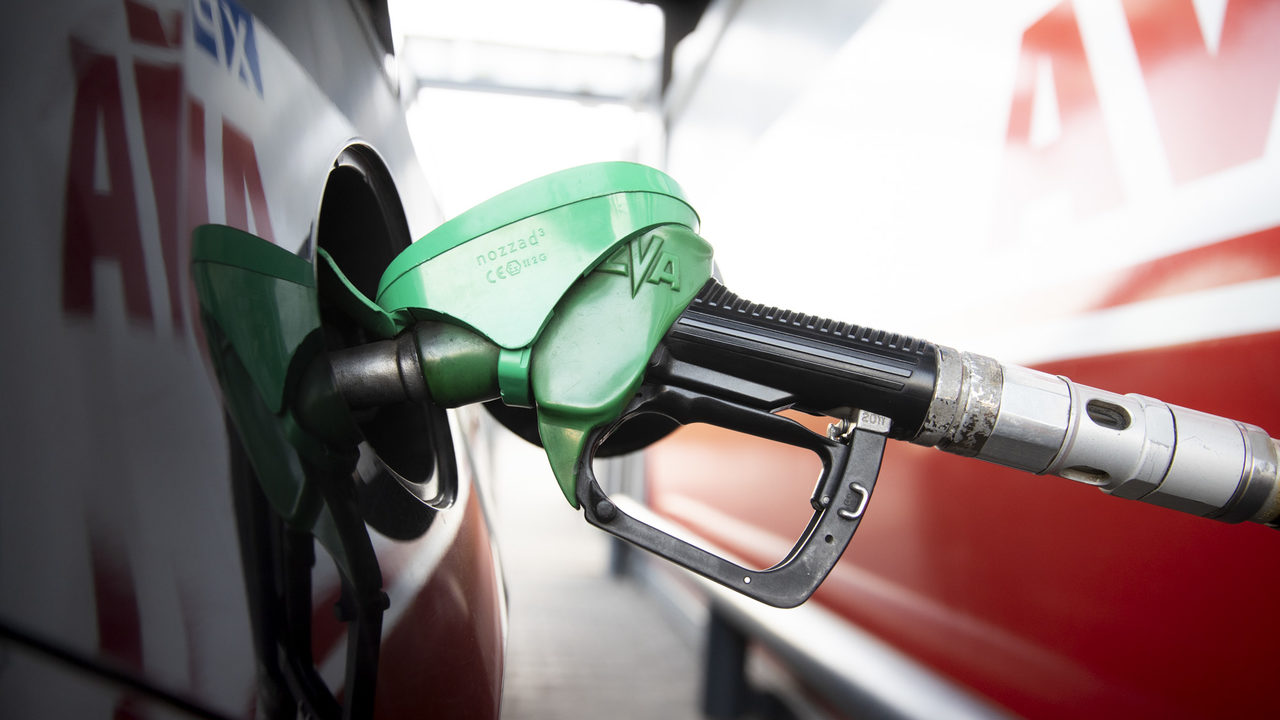
In spring, the Babiš government directly intervened in fuel pricing for the first time: it capped margins for petrol stations, cut the excise duty on diesel, and set maximum retail fuel prices. The restrictions remained in place until the second half of July, introduced in response to a sharp spike in global prices triggered by the US-Israeli strike on Iran.
Savings for Drivers, Losses for the Budget
According to Finance Minister Alena Schillerová, in April state intervention helped drivers save up to 400 crowns per full tank, while the price caps helped curb inflationary pressure. However, the relief came at a steep cost: according to the ministry's own calculations, cutting the diesel excise duty cost the state budget around 3.5 billion crowns.
The regulation hit small independent filling stations hardest, as they lack their own wholesale supply networks. The reason was that the Ministry of Finance initially calculated maximum retail prices based on wholesale and exchange quotes from the previous day — figures that shifted almost daily as the Iran crisis unfolded. As a result, stations that had bought fuel at older, higher prices were sometimes forced to sell it below cost.
The First Lawsuit — From Kamenice nad Lipou
A filling station in the town of Kamenice nad Lipou was the first to challenge the ministry's decision in court, estimating its own losses at 80,000 crowns. According to the plaintiffs' lawyer, if the court strikes down the disputed ministerial measure, it would pave the way for mass compensation claims from other petrol stations.
The court had originally planned to review the case without a public hearing, but the Ministry of Finance itself insisted on an open session. The ministry's press office declined to explain the reasons behind this request, citing the ongoing court proceedings. According to a lawyer familiar with similar cases who asked to remain anonymous, the case carries political overtones, and the ministry may be trying to use the public hearing to its own advantage.
Arguments on Both Sides
The plaintiffs insist that the price regulation was unlawful, since no so-called extraordinary market situation — a condition required under the Price Act — actually arose. The lawsuit cites economist Jana Matešová, who points out that fuel never became inaccessible to consumers, even amid the price increases.
In its response to the court, the Ministry of Finance insists on the opposite: it argues that an extraordinary situation did arise due to the crisis in the Strait of Hormuz — through which roughly a fifth of global oil consumption passes and which was partially blocked, triggering a sharp rise in world prices. The ministry also claims that some petrol stations tried to exploit the situation to make unjustified profits.
At the same time, in its own submission to the court, the ministry states that the fuel market as a whole continued to function normally despite isolated excesses — a claim that contradicts its own argument about an extraordinary market situation. This contradiction may well surface at the public hearing on September 2.
Source: seznamzpravy.cz