Where Long Summer Holidays Came From — and Why in Czechia It Wasn't the Devil Who Invented Them, But the Emperors
USD 21,65
Popular
Long summer school holidays gradually made their way into the education calendars of Europe and America starting in the late 18th century. In the Czech lands, this shift was driven by the reforms of Maria Theresa and her son Joseph II — it was they who laid the groundwork for the break from studies that millions of schoolchildren now eagerly await.
Maria Theresa first introduced school holidays in 1776, though they fell in autumn — September and October. Ten years later, Joseph II moved the break to the period from July 16 to August 31. The reasoning had nothing to do with letting children enjoy fine weather: the real motive was the need for children to help with the harvest, which traditionally began around St. Margaret's Day.
Resorts for the Privileged Few
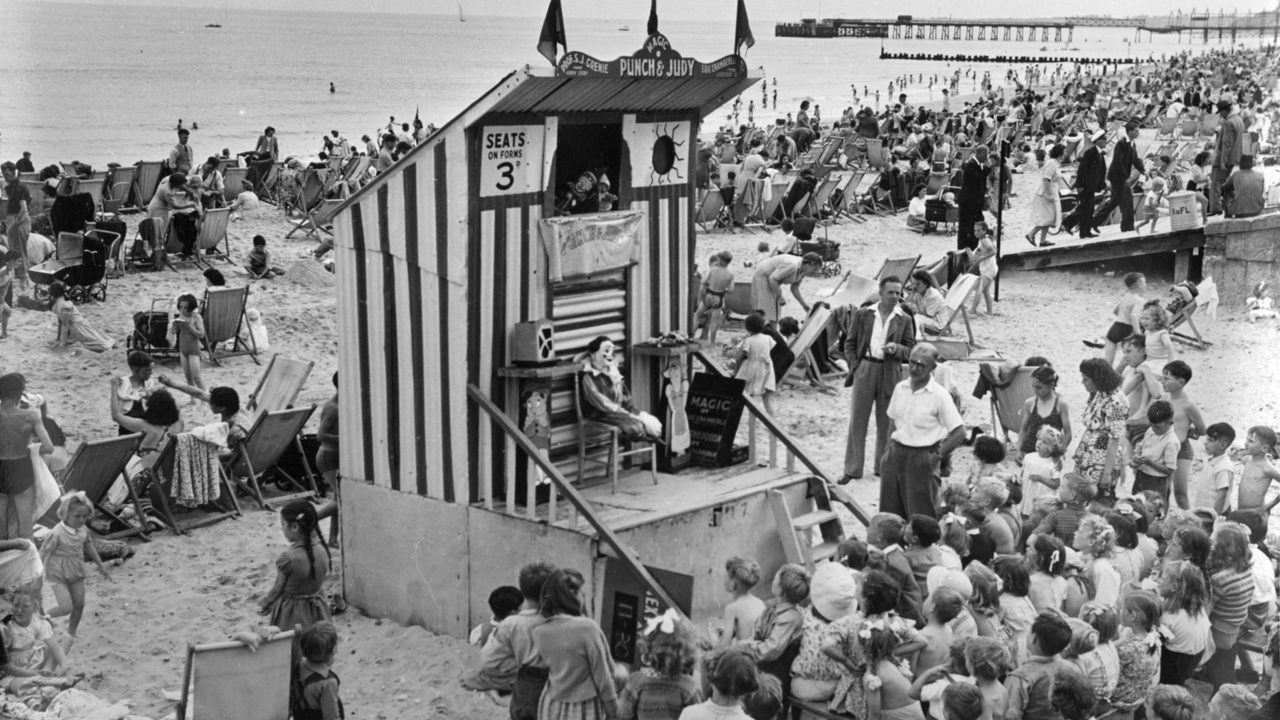
In America, summer holidays were at first a luxury reserved for the wealthy, who fled sweltering cities by steamship and train for the mountains or seaside resorts. Popular pastimes included swimming, walking, sailing and golf. Some of the resorts built in that era still exist today — the Pinehurst golf complex in North Carolina, for instance.
The decline of these exclusive summer resorts was hastened by the rise of the automobile as mass transportation. After World War I, middle-class families could also afford rented — and eventually their own — summer cottages by the sea or on a lake.
Summer in Pop Culture and the Debates of Educators
The theme of summer vacation, often tinged with nostalgia and romance, found its way into post-war American pop culture as well. One need only recall F. Scott Fitzgerald's novel "The Great Gatsby" (1925), where summer serves as the backdrop for the decadent parties of high society. Later, working-class city dwellers, tired of the crowded urban heat, also wanted their share of summer leisure — with union support, places like Coney Island in New York, Jones Beach and the seaside resort of Atlantic City became popular getaways.
At the same time, the question of standardizing school education arose: until the late 19th century, school attendance in the US was not compulsory at all, and many students simply skipped classes in summer. Education reformers argued that teachers should use the summer months for their own professional development. There was also a widespread belief that excessive mental strain harmed children's physical and psychological health — supposedly leaving them pale, weak and exhausted.
These arguments were heard more often in cities, where there was a push to shorten the school year. In rural areas, by contrast, people wanted to extend it, believing the brain works like a muscle that only develops through constant exercise. Modern research confirms that over the summer, schoolchildren — especially those from less well-off families — lose part of what they've learned, since wealthier parents can enroll their kids in enrichment programs, while lower-income families often lack that option.
Three Months Off Isn't the Norm Everywhere
Debates over switching to year-round schooling continue in the US to this day, but such a shift threatens economic and organizational complications: summer brings a wave of cheap labor in the form of working teenagers into the job market, and the incomes of many seasonal industries are directly tied to the school calendar.
In other parts of the world, year-round schooling is standard practice — in Australia, New Zealand, Japan and South Korea, for example. Not everywhere in Europe do holidays last two months either: in the Swiss canton of Aargau they last just five weeks, while in some German states, as well as in Liechtenstein, the Netherlands, Denmark, England and Wales, they last six weeks. Meanwhile, Bulgarian schoolchildren get a full fifteen weeks off, Italians fourteen, and Portuguese, Romanian, Lithuanian and Latvian students thirteen.
Read also: 8 best swimming spots near Prague: lakes, quarries and beaches within an hour's drive of the capital
Source: novinky.cz