Matyáš Bohaček: Czech Stanford student’s startup catches deepfakes
USD 21,75
Popular
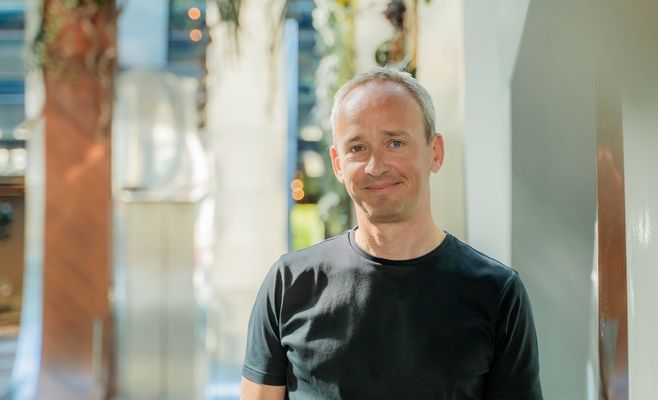
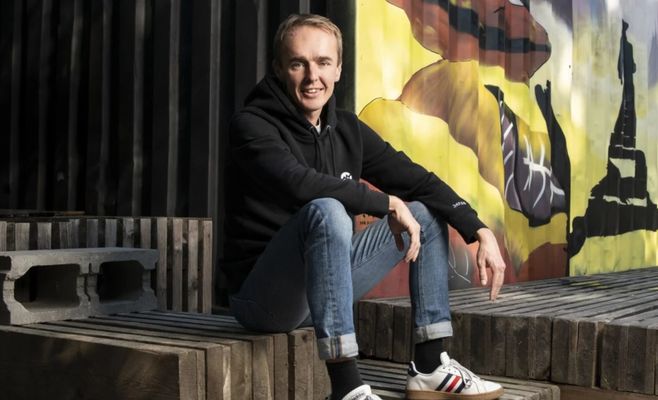
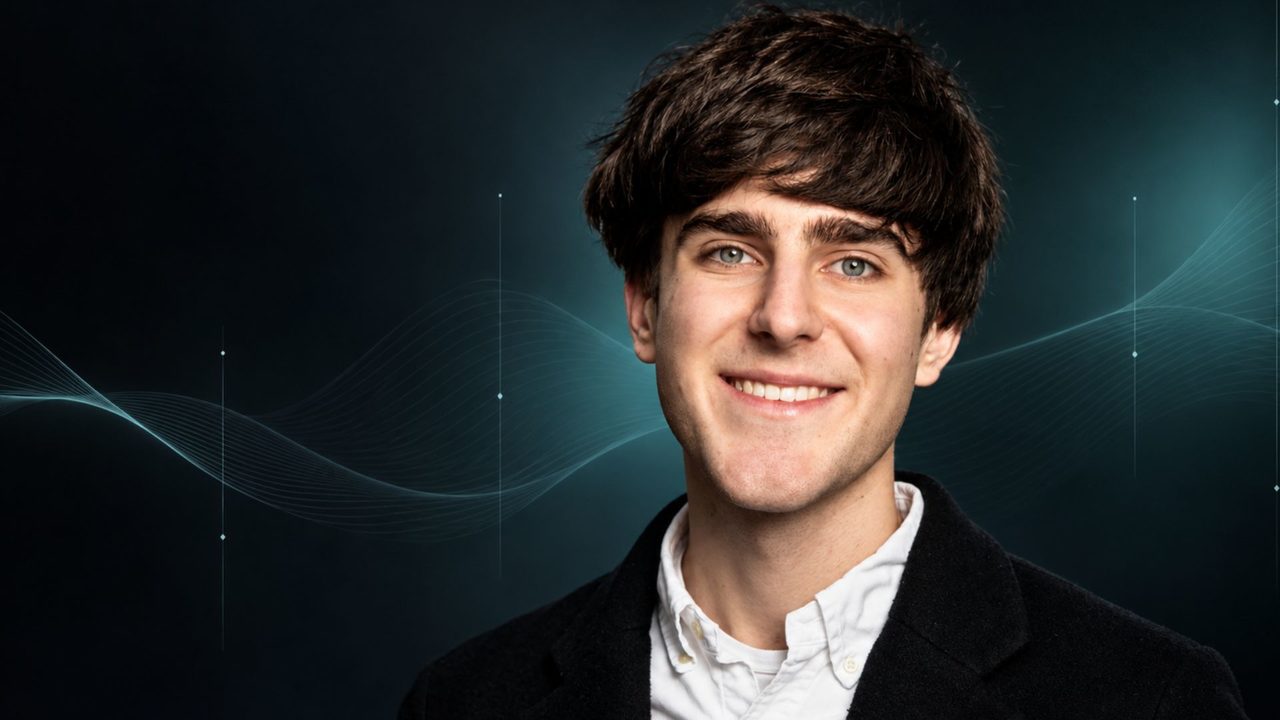
Matyáš Bohaček, a 22-year-old Czech artificial intelligence researcher and Stanford scientist, is developing the startup Synhawk together with CEO Lukáš Foral. Its technology determines whether a voice, video, photo or invoice is a fake. The first major client is Vodafone.
Bohaček studies AI at Stanford University and has worked on detecting fake videos and voices with experts from Berkeley and during an internship at Google. Now he is putting that knowledge into practice. In his words, almost everyone needs such a tool today: anyone can generate a fake video or image, it takes a few minutes and costs almost nothing. Many AI services on the internet lack the safeguards that the models of big tech companies have, and allow the creation of content suitable for abuse.
Scams are becoming more and more convincing. Criminals can clone the voice of an unsuspecting person and use it in a phone scam against their loved ones. Getting the necessary recording is not difficult: “You pick up a call from an unknown number, and there is silence on the other end,” Bohaček says. The person starts trying to find out who is calling, and those ten to fifteen seconds of speech are quite enough for the fraudsters.
Where this can lead was shown by an Italian case in February this year. Paolo Molesini, then chairman of the bank Fideuram, part of the Intesa Sanpaolo group, received a WhatsApp message, supposedly from the head of the whole group, Carlo Messina, asking him to carry out urgent transfers because of a foreign deal. The instruction was “confirmed” by phone by a well-known lawyer from an international firm, but the fraudsters had cloned his voice with AI. Around €95 million left the bank, mostly to China and Hong Kong. More than half was intercepted, but at least €36 million, according to investigators, vanished into cryptocurrencies.
Just two years ago, the language barrier largely protected Czechia from scammers: AI handled Czech poorly. Today that is no longer the case, and Czech is among the languages that models understand well “out of the box”. That is why Vodafone chose Bohaček’s technology for its security systems.
The Vodafone Verify app, built on it, will launch on 22 October for iOS and Android. Users send it suspicious content: a link to an Instagram video, a forwarded WhatsApp voice message, a photo or a document. Instead of a “true or false” verdict, they get a probability assessment with an explanation of the risk signs found. Customers on certain plans, such as BezLimitu Black, and on most corporate plans will get the app at no extra cost; others will pay 59 CZK a month excluding VAT.
Besides fake faces and voices, the app is also meant to detect text-based scams. It analyses only what the user hands it and does not scan the phone in the background. Companies will be able to use it, for example, to check payment requests or complaints.
The solution differs from ordinary detectors in that it does not use one model for audio and another for video. “We rely on foundation models that can work with different types of content,” Bohaček explains. So a scam pattern found in a video can be applied by the system when analysing audio or text.
No one has yet independently verified how reliably it all works in real-world conditions. At a July presentation in Karlovy Vary it was said that fake videos are detected with 99.8% accuracy, but on what data this was measured and how often the system mistakes genuine content for a fake, the company, judging by the available information, has not disclosed. Bohaček himself tempers inflated expectations: “The tools we are building are not a hundred-percent guarantee and not a patent on the truth.”