A Sweet Story: How Czech Sugar Has Been Made in Dobrovice for Almost 200 Years
USD 21,75
Popular
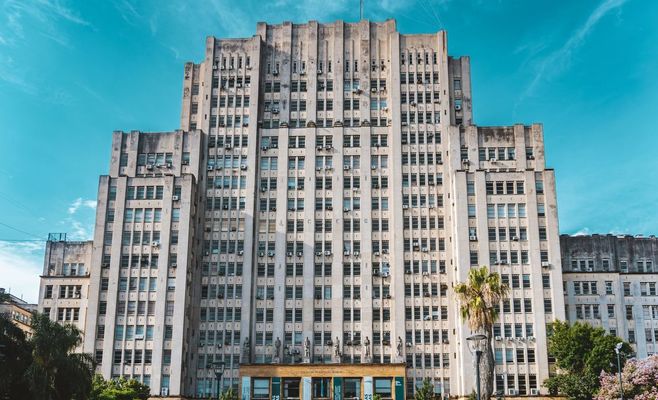
In the town of Dobrovice, not far from Mladá Boleslav in the Central Bohemian Region, stands the largest, oldest — and at the same time most modern — sugar factory in Czechia. Attached to it is a museum unique in the country, dedicated to sugar-making, distilling, sugar beet growing, and the history of Dobrovice, while the factory itself keeps producing sugar to this day.
From a Newspaper Article to a Century-Long Monopoly
As recently as the 1990s, Czechia had around 50 sugar factories; today only six remain. The story of the Dobrovice plant began with an article in the journal Bohemia on 23 May 1830, in which the German sugar master Karel Weinrich described the economic benefits of growing beets and producing sugar. The piece caught the attention of Prince Karel Anselm von Thurn und Taxis, who was looking for a use for his empty Dobrovice château. Inviting Weinrich to Bohemia led, in 1831, to the founding of a factory right inside the former castle building. According to the museum, it is the oldest continuously operating sugar factory in Europe.
For nearly a hundred years the plant belonged to the Thurn und Taxis family; it then changed hands several times and today is owned by the sugar company Tereos TTD.
What the Museum Shows
The exhibition occupies a neighbouring building — a former Renaissance farmyard complex. It tells the story of Czech sugar and spirit production, as well as the cultivation of sugar beet, which around 200 years ago replaced expensive imported cane sugar.
Among the exhibits are a giant, five-kilogram sugar crystal, sugar loaves, sugar cubes said to have been used by the British Queen to sweeten her tea, an enormous lump of refined sugar, and a special Czech type of sugar called “bridge.” At the end of the tour, children are invited to guess the shapes of “bridge” sugar by touch alone — a correct answer earns them a sweet treat.
Factory Tours During the Beet Campaign
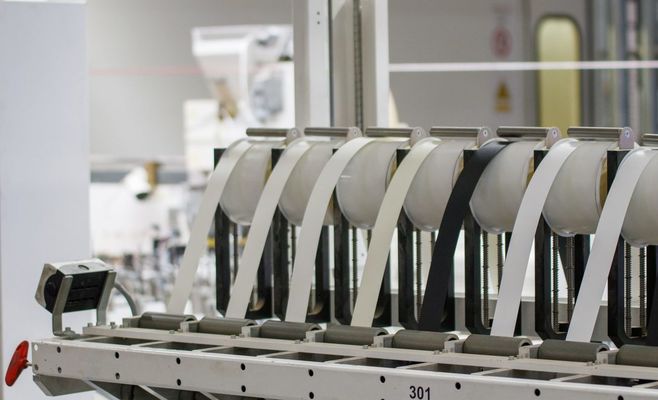
Every year, roughly from October to January, the factory processes beets during what is known as the “beet campaign.” During this period the whole town smells of malt, and visitors can book a tour of the production halls. The tour lasts about 90 minutes and requires advance booking; protective vests and helmets are provided on site — visitors just need to bring ID and wear closed-toe shoes.
Czechia’s First Sugar Factory and the First Sugar Cube
The first batch of sugar in Bohemia was produced back in the reign of Joseph II, in a dissolved monastery in Prague-Zbraslav, where the country’s first sugar factory started operating on 11 September 1787, using imported cane sugar. The production principle has changed little since: cane is ground and pressed, while beets are washed and cut into pieces, from which sugar is extracted by diffusion — a method first used in South Moravia, in Židlochovice, during the 1864/1865 campaign.
It was in Bohemia, in January 1843, that Jakub Kryštof Rad, director of the Dačice sugar factory, patented the world’s first sugar cube — initially produced in two colours, white and red.
The Gothic water castle of Lipý in Česká Lípa also served as a sugar factory for a time, processing beets from 1867 until the First World War. The writer Bohumil Hrabal, author of “Closely Watched Trains,” worked for a while as a railwayman at the Dobrovice station after universities were closed in November 1939 — and that very experience became the basis for his famous novella. The fate of the 16th-century Renaissance wooden ceiling from Dobrovice castle is also notable: when the building was converted into a factory, the ceiling was removed and stored for 80 years in the barn that now houses the museum, before eventually being moved to Švihov Castle.
Source: kudyznudy.cz