Brazilian Influencer Swims Too Close to a Shark for a Photo — Gets Bitten in the Thigh
USD 21,73
Popular
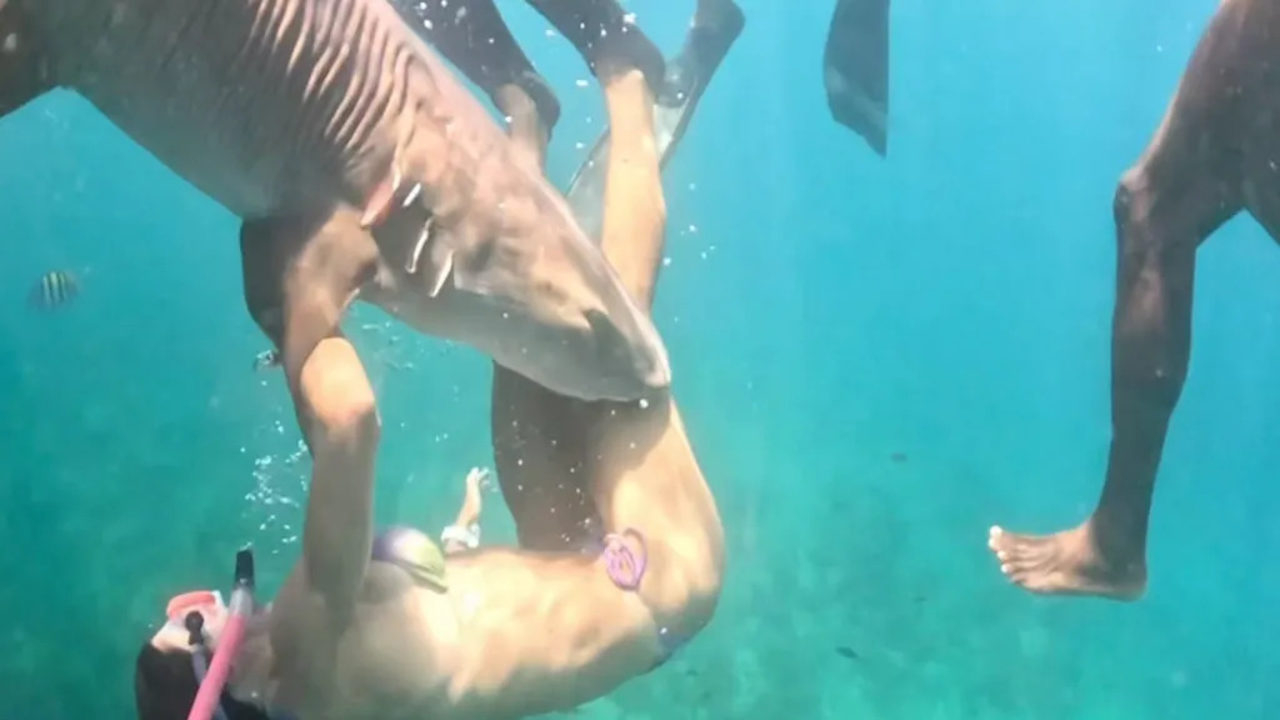
Brazilian influencer and lawyer Tayane Dalazenova was injured while filming underwater when a nurse shark bit her thigh after she swam in for a close-up shot. The incident, which occurred amid bloggers' ongoing pursuit of extreme content, was reported by the BBC.
Dalazenova herself admitted she had breached the safe distance. She posted the frightening footage of the attack straight to Instagram. The nurse shark that bit her can grow to over two metres and is generally considered a fairly docile species, but according to shark researcher Christian Pardon, these fish often bite defensively when they feel their personal space has been invaded — which is likely what happened here.
The actual risk of being bitten by a shark in the wild remains very low: statistics show the number of unprovoked shark attacks worldwide has stayed roughly constant over the past 30 years, at around 70 cases a year. However, experts at the International Shark Attack File, which maintains a database of such incidents, have noted a clear rise in cases where people were bitten specifically while trying to photograph or film the animal.
Other similar cases
The Brazilian's ordeal is far from an isolated case. In July, a blogger nearly lost his leg after a lemon shark attacked him while he was filming a spearfishing video. In December, a Chinese content creator in the Maldives similarly captured a shark attack on himself on camera. And in April of last year, a diver in Israel reportedly died while trying to take a selfie with a shark using a selfie stick.
Some bloggers go even further, filming themselves touching tiger sharks or even great whites. One of the best-known shark content creators is former model Ocean Ramsey, who famously posed alongside a great white shark back in 2019. She regularly posts footage of herself swimming right up to sharks and holding onto their dorsal fins.
Human contact is stressful for sharks
Scientists are increasingly alarmed by the growing number of such videos on social media. "I now see clips like this every single week, and there are far more of them than there used to be," says Christian Pardon. Research shows that when a person gets close enough to touch a shark, it triggers a release of stress hormones — glucocorticoids — in the animal, which can subsequently weaken its immune system, increase mortality risk, or even cause miscarriage.
"By approaching a shark and causing it stress — whether at a breeding site, birthing area, or hunting ground — you're depriving it of space that's critical to its survival," the expert stresses.
Source: seznamzpravy.cz