Czechs raise tens of millions of crowns for interceptor drones for Ukraine
USD 21,62
Popular
The Ukrainian charity Come Back Alive, which has been supporting the Ukrainian army since 2014, expects Russian drone strikes on Ukraine's critical infrastructure to intensify as the cold weather sets in. Representatives of the organisation spoke about this during a recent visit to Czechia.
Why drone "hunters" are needed
"Our main goal is to increase the effectiveness of the armed forces on the battlefield, protect the lives of soldiers and civilians, and act as an intermediary that helps the state build a sustainable defence for Ukraine," explains Maria Zavalska, a representative of the organisation. According to her, the main advantage of a non-profit structure is that it serves as a link between the state, the army and civil society.
"We can complement our army by acting quickly and flexibly, without facing the restrictions and bureaucracy that state structures do," adds Zavalska, who sits on the organisation's broader leadership. With money from Czech and foreign donors, Come Back Alive buys literally everything for the Ukrainian army — from body armour and vehicles to weapons.
"In the 12 years of our existence, there isn't a single unit we haven't cooperated with in some way — buying weapons for it, providing training or consultations, or getting feedback on the equipment and weapons supplied to it," says Zavalska.
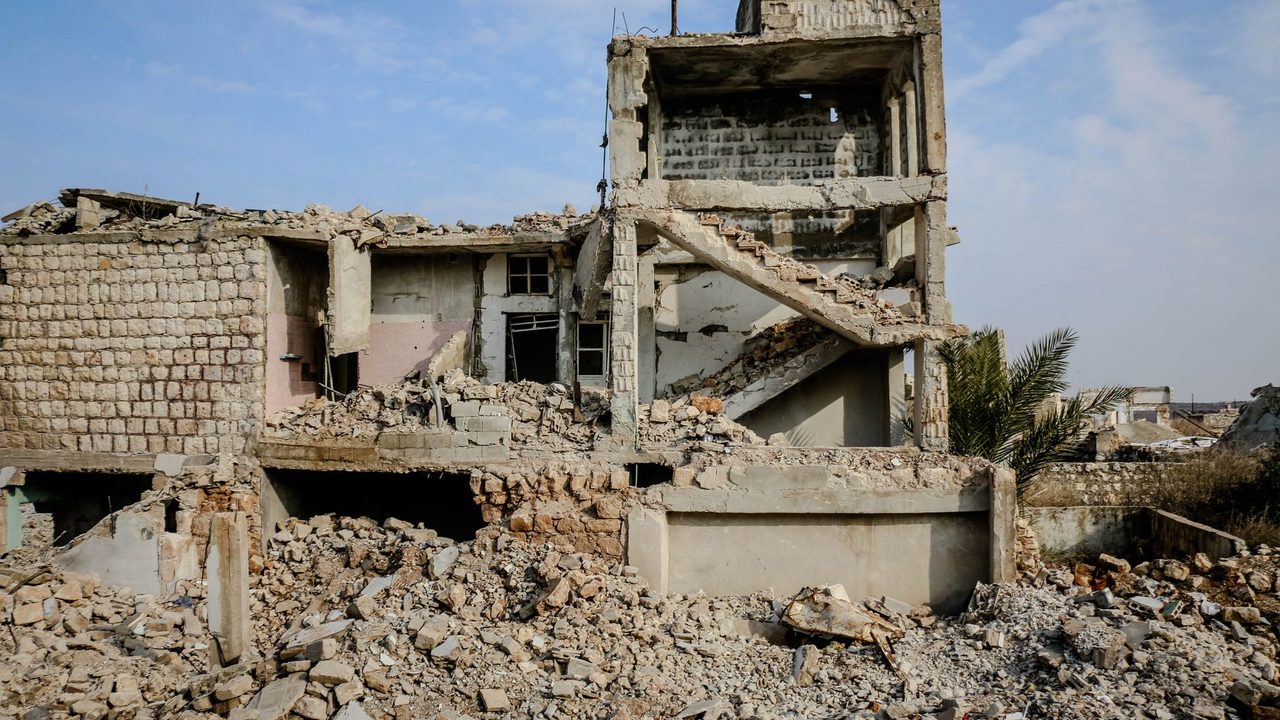
One of Come Back Alive's priorities this year has been anti-drone defence. Russian drones destroy Ukrainian critical infrastructure every day, and the harsher the winter, the more acute this problem becomes for the country's residents.
Czech money for 550 interceptors
"We are most vulnerable in winter. What's more, the Russians are now using strike drones much more cleverly than before: their tactic is to launch drones when our interceptors are least effective, that is, in cloudy weather. That's why they choose autumn and winter," explains a drone specialist from Come Back Alive who wished to remain anonymous.
These are interceptor drones that "hunt" other drones and destroy them. According to the organisation, this is an effective way of countering larger Russian drones such as the Shahed.
Czechs, too, are sending money for such interceptors. The Czech union Skupina D, patronised by Karel Řehka, who was chief of the general staff at the time, has handed over tens of millions of crowns to Ukrainians to purchase them.
"We collect money that we send to our Ukrainian partners — in this case, the non-profit organisation Come Back Alive. They, in turn, purchase not only interceptors but also the accompanying equipment needed to operate them," says Jan Veverka, one of the founders of Skupina D, describing the cooperation.
According to Veverka, over the past ten months Skupina D has handed Ukraine's Come Back Alive 12 million crowns from small donors and a further 50 million crowns from large Czech companies. Other Czech organisations, such as "A Gift for Putin", also run their own fundraisers for interceptors.
At the end of June, Come Back Alive announced that it had used part of the money from Skupina D and the Post Bellum organisation to buy 550 interceptors for the Ukrainian army.
Investigation surrounding the Drony Nemesis fundraiser
Besides the interceptor fundraiser called Charlie One, Skupina D is also behind two other projects supporting Ukraine: "Just Retribution" collected money to purchase plastic explosives, while the best-known fundraiser, Drony Nemesis, was aimed at acquiring FPV drones.
It is Drony Nemesis and its associated Skupina D supplier firm, FPV Space, that police have been investigating on suspicion of fraud since last December. No charges have been filed against anyone so far, and the union and the firm deny any wrongdoing.
The investigation into servicemen who, during an official trip to Ukraine, took along drones purchased with money from the Drony Nemesis fundraiser was closed by the military police in early summer, after concluding that no crime had been committed. However, the army may still decide whether this constitutes a disciplinary offence or an administrative violation.
Source: seznamzpravy.cz