Women With Longer Reproductive Years Had Healthier Brain Vessels at 70
USD 21,57
Popular
Women who had more years of natural estrogen exposure tended to show fewer signs of small blood vessel disease in the brain at age 70, according to a study published in the journal Neurology. ScienceAlert reported that women who used menopausal hormone therapy also tended to show fewer such signs.
The authors stress that the work is observational and cannot show cause and effect. It does not support using hormone therapy to protect the brain, the study's first author said.
The key numbers behind the study
- 352 women. The healthy participants came from the Gothenburg H70 Birth Cohort Studies in Sweden. Only cisgender women were included.
- Born in 1944. All the women were the same age, which lets researchers follow one generation over time.
- Age 70 and age 75. Every woman had a brain MRI at 70, and most returned for a follow-up scan at 75.
- About 8 percent. For each additional year of a woman's reproductive period, her odds of having two or more MRI signs of small vessel disease at 70 fell by about that amount.
- Two or more signs. This was the threshold the researchers used when counting small vessel disease on the scans.
How the researchers measured estrogen exposure
The study did not measure hormone levels directly. Instead, the women reported the length of their reproductive years, calculated as age at menopause or removal of both ovaries minus age at first period. They also said whether they had ever taken oral contraceptives or menopausal hormone therapy. ScienceAlert noted that these details serve as a stand-in for lifetime estrogen exposure.
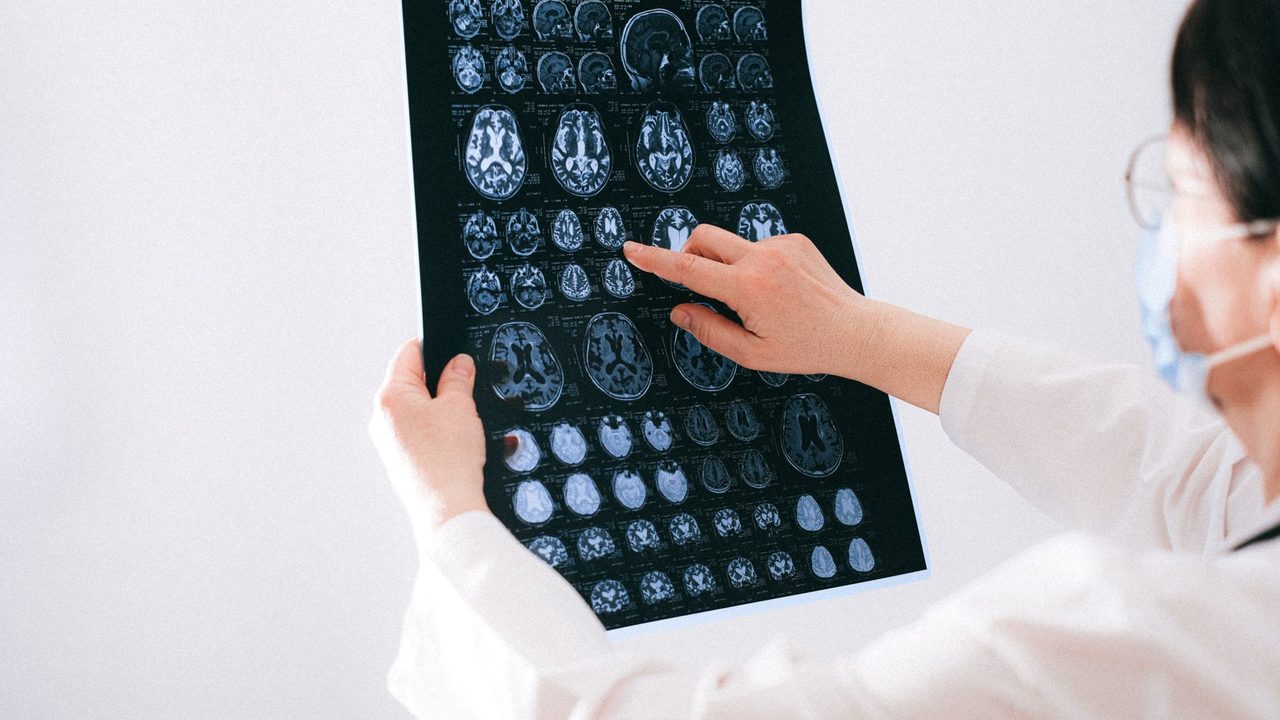
The MRI scans looked for several markers of small vessel disease. These include bright spots called white matter hyperintensities, small fluid-filled cavities known as lacunes, cerebral microbleeds and unusually large perivascular spaces in the basal ganglia.
What the study found
Later menopause, rather than an earlier first period, was the main driver of the link with reproductive span. Women who had used menopausal hormone therapy also tended to have fewer small vessel signs and better integrity in the microstructure of their white matter.
Among women who carry the APOE-ε4 gene variant, which raises the risk of Alzheimer's disease, hormone therapy was associated with a thicker cortex in brain regions vulnerable to Alzheimer's. No such link appeared in women without the variant.
Neurobiologist Anna Marseglia of the Karolinska Institutet said the results suggest hormone exposure across a woman's life may have cumulative effects on the health of the brain's blood vessels. She added that those vessels may help explain the link between estrogen and brain aging.
Limits the authors and reporters point out
Because the study is observational, other factors could be behind the patterns, ScienceAlert reported. Other hormones that also change with menopause are one example. The group was relatively small and drawn from a single country, so it is unclear whether the findings would hold for broader populations.
Many of the associations also disappeared when the researchers applied a stricter bar for statistical significance. ScienceAlert added that a major review of earlier studies found no strong evidence that menopausal hormone therapy affects dementia risk, for better or worse.
Why it matters for women and brain health
Scientists suspect hormone shifts may help explain why women are generally more likely to develop Alzheimer's disease, and this study adds a possible clue involving blood vessels. It does not give women a new way to lower their risk, however.
Giulia Lorenzon, a Yale neuroscientist and the study's first author, said the results cannot be used as a basis for recommending hormone therapy for prevention. The findings are better read as a reason for further research, she and her colleagues indicated.
The researchers said there are no prevention strategies for cognitive disorders that take sex into account. They called clarifying estrogen's long-term effects on the brain and thinking an important clinical priority. The study did not name specific follow-up trials or dates.
Read next
Your Brain May Flicker Between What You See and Don't Notice 15 Times a Second
Dark Nebulae Block Starlight, and Two Can Be Seen Without a Telescope
Twin Mars Probes Swing Past Earth Twice in 2 Days to Gain Speed
Around Prague, based on reporting by ScienceAlert