Funflation: entertainment costs rise as hobby spending grows
USD 21,75
Popular
Entertainment is getting more expensive, yet people keep spending on it: analysts call this “funflation” — rising leisure prices alongside steady demand. According to Bank of America (BoA), ordinary hobbies now fall into this category too.
Hobbies are getting costlier
Funflation used to be tied to people returning to concerts, theaters and sporting events after the pandemic: the appetite for experiences made them willing to overpay. According to BoA’s August data, its customers’ spending on hobbies rose by almost 8% over the year. The category covered craft supplies, hobby stores, tourism and camping. The number of transactions grew by 3.4%: customers bought more often than a year earlier and spent more.
Older millennials, born in the 1980s, spent the most, followed by younger baby boomers, while Gen Z spent the least. Analysts believe millennials’ spending also includes their children’s interests.
Among Gen Z, growth in hobby purchases is close to zero, whereas a year ago it was in double digits. The bank stresses that fewer purchases do not mean less interest: people may have bought gear earlier that does not need frequent replacing. This generation’s spending on video games rose by about 20% over the year.
Paradoxically, higher hobby spending may be linked to households’ efforts to save money. Economist John Gathergood told CNBC that, because of rising prices, people more often cook at home instead of eating out, or stay home instead of taking a vacation. The overall budget barely changes; the money simply flows into a different category. BoA did not include travel in its data, noting that a sharp rise in airfares may have redirected money elsewhere. Still, wealthier customers have not stopped traveling.
Live Nation benefits from interest in concerts
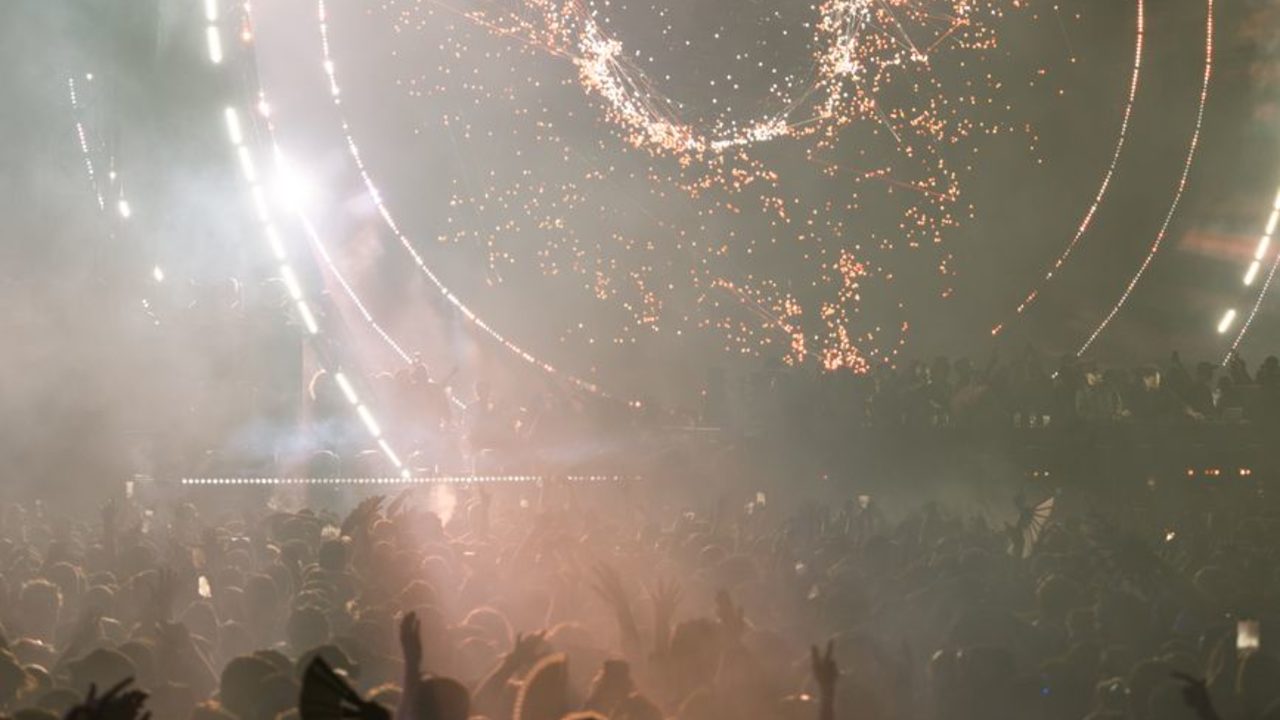
A shift to cheaper pastimes does not mean a mass retreat from live experiences. This is confirmed by the results of Live Nation Entertainment, which owns Ticketmaster. Its global revenue in the second quarter of 2026 rose 9% to roughly $7.7 billion. Concerts drew about 49 million attendees, 10% more than a year earlier. The growth came not only from higher prices but also from higher attendance.
Interest was strong beyond the US as well: outside it, attendance grew by more than 20% in all tracked categories. Deferred revenue for events yet to take place reached $6.4 billion by the end of June, a quarter more than a year earlier. Spending does not stop at the ticket: attendees spent 10% more on food and drink than in 2025. Saving money, then, does not necessarily mean giving up concerts — rather, people prioritize them over other expenses.
Why experiences matter more than owning a home
The willingness to pay for interesting leisure is linked to the pandemic, when people stayed home for a long time: once restrictions were lifted, they began traveling and attending music and sporting events more actively, which was reflected in prices. Economist Alan Jin of the University of San Diego named another reason in Yahoo Finance: owning a home looks like an unattainable goal for many, so they prefer to invest in the present moment. As long as demand stays high, prices for such activities may keep rising, and funflation with them.
Consumers, however, do not accept just any price increase. According to a 2024 Deloitte survey of 3,554 Americans, almost 60% skipped a favorite event because of an expensive ticket. Streaming subscriptions that get pricier every year are also off-putting: for example, since 2024 Netflix has raised the price of its standard plan in the US by $1–2, and of its premium plan by up to $4.50 a month.
A more recent Deloitte survey from March shows why loyal fans matter to the industry. 80% of respondents called themselves fans of at least one field — music, sports, video games or film — and these people spend 51 minutes more per day on entertainment than others. But more time for leisure does not mean a readiness to pay ever more: even a devoted fan may choose a concert over another event or subscription.
Read also: 9 Michelin-starred restaurants in Czechia: where to find haute cuisine from Prague to Moravia
Source: prazskypatriot.cz