How to Cool Your Home and Street Without Air Conditioning: Trees Are Your Best Ally

USD 21,75
Popular
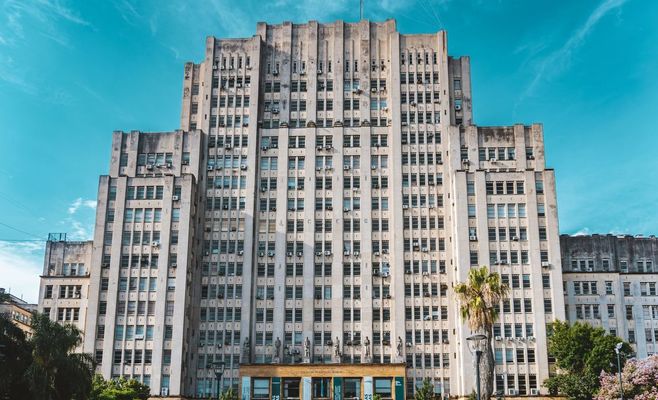
Urban buildings, asphalt and rooftops soak up solar heat during the day and slowly release it at night — this is what creates the so-called "urban heat island" effect. Urban environment specialists point out that air conditioning doesn't actually solve the problem — it simply pushes the heat outside while burning extra electricity, whereas real cooling starts with blocking direct sunlight in the first place.
A Tree Beats an Air Conditioner
The first and simplest step is external shading: blinds, shutters, awnings or plants placed outside the window. This intercepts sunlight before it ever reaches the interior and heats it up.
Still, the most effective tool remains a plain, mature tree. It shades façades and paved surfaces, and its leaves cool the surrounding air through moisture evaporation. Planting alone isn't enough, though — a tree needs enough room for its roots, suitable soil and steady access to rainwater. Homeowners are advised to plant deciduous trees so they shade the southern or western side of the house in summer, while also factoring in plot size, soil type, the building's foundation, underground utilities and the future spread of the crown.
Green Façades and Roofs
Where there's no room for a tree, climbing plants can help — they too reduce wall heating and cool the air through evaporation. That said, they can't simply be planted against any building: if the plaster is damaged, it's safer to guide the plant along a separate support, and the choice of species should depend on the wall's orientation, humidity levels and how much maintenance is realistic.
Green roofs also help — they shield the roof from direct sun, retain some rainfall and slow down runoff into the sewer system. But their cooling effect depends entirely on moisture: a dried-out green roof cools far less effectively than a well-watered one. Before installing one, a specialist must check the structure's load-bearing capacity and plan out waterproofing, drainage and emergency overflow. Where a green roof isn't feasible, a light-coloured, highly reflective material can help reduce overheating — though it's important to consider exactly where the reflected sunlight will end up.
Keep Rainwater Out of the Sewer
On sealed, impermeable surfaces, rain runs straight into the sewer, leaving soil and plants nothing to evaporate. That's why so-called blue-green infrastructure isn't really about decorative flowerbeds — it's about pairing greenery with smart rainwater management.
The simplest solution is collecting roof water for irrigation. A rain garden can temporarily hold moisture, let it soak into the soil, or gradually release it to plants. Permeable paving, gravel lawns or paving with open joints all reduce surface runoff — but what matters is the whole structure, not just the visible top layer: tiles laid over an impermeable base won't let water reach the soil at all.
Even so, letting water soak into the ground isn't suitable everywhere — soil properties, groundwater levels, distance from foundations and potential contamination all need to be considered. The experts' core principle is simple: stop mindlessly watering streets with drinking water, and instead let rainwater stay where it falls, putting it to use for the soil and plants. The best results come from combining all these measures: a tree shades the house and pavement, roof runoff feeds its roots, permeable paving cuts down runoff, and a climbing plant protects the wall wherever there's no room for a tree.
Read also: Extension of temporary protection in Czechia for Ukrainians
Source: ekolist.cz