Liechtenstein equalizes inheritance rights for sons and daughters, but the prince has already vowed to veto abortion liberalization
USD 21,62
Popular
The Principality of Liechtenstein, nestled between Switzerland and Austria, announced on Saturday that it is abolishing male primogeniture in the line of succession to the throne. From now on, the royal house says, the eldest daughter of the monarch's family will be able to claim the crown on equal footing — regardless of gender.
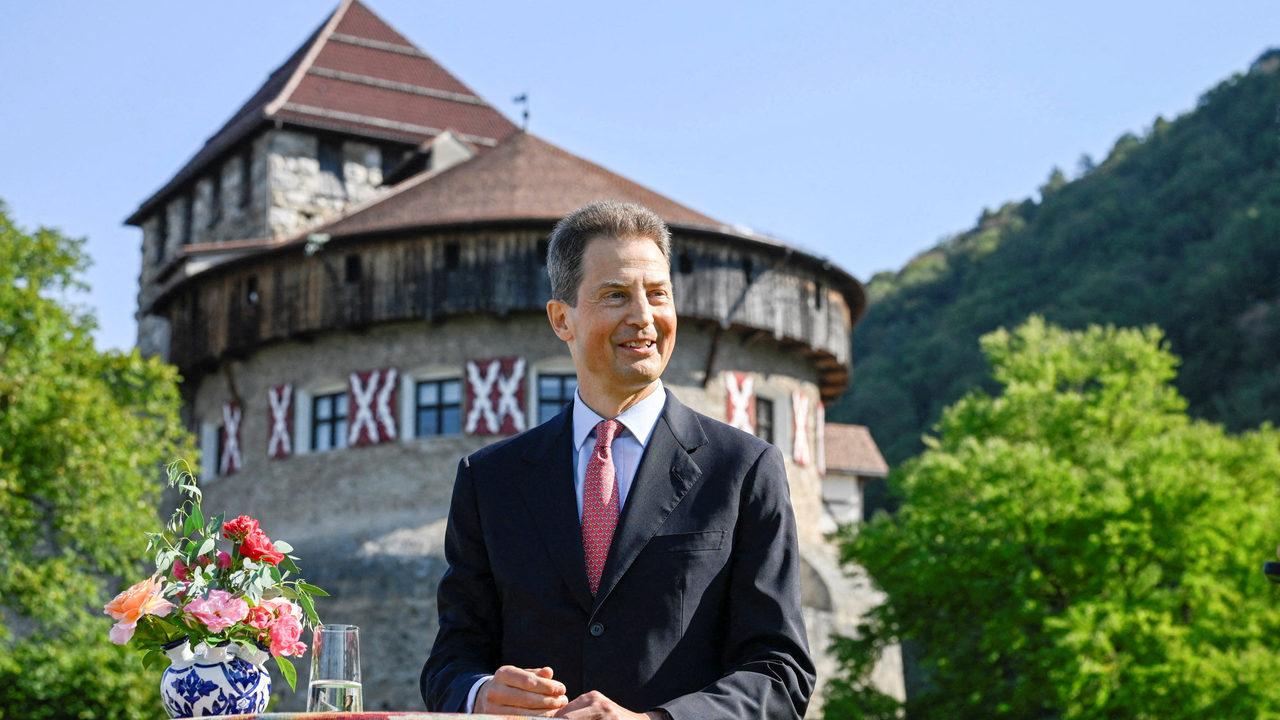
The constitutional monarchy — one of the last ten remaining in Europe — has formally been headed since 1989 by Prince Hans-Adam II, though most official duties have been carried out since 2004 by his son, Hereditary Prince and Regent Alois. "The order of succession is changing from male-preference primogeniture to absolute primogeniture. From now on, the throne will pass to the first-born child regardless of sex," the 58-year-old Alois said in a statement issued Saturday, stressing that the goal of the reform is to ensure that the principality and the dynasty are led by whoever is best prepared to bear that responsibility.
In the near term, the reform will not actually change the line of succession: first in line remains 31-year-old Prince Josef Wenzel, the eldest of Alois's four children. Still, the symbolic weight of the move is significant — women in Liechtenstein only won the right to vote at the national level in 1984, and women's rights currently sit at the heart of public debate, with the conservative ruling dynasty facing sharp criticism.
A veto before the vote even happens
A group of women in the small Alpine principality has launched a campaign for a referendum that would decriminalize abortion up to 12 weeks of pregnancy, lift the nationwide ban on providing information about terminations, and bring the procedure under health insurance coverage. Public opinion is on their side: according to a July poll, if a vote were held today, 62% of voters would back the changes.
Yet the hereditary prince has already declared — well before a single ballot has been cast — that he will veto any amendment to the law. The reason lies in how the monarchy is structured in Liechtenstein, which differs sharply from most European countries: the role of the prince (in practice, Prince-Regent Alois) is far from ceremonial. The monarch has the power to dismiss the government and individual ministers, appoint judges, propose legislative amendments, and impose an absolute veto that cannot be overridden.
Some observers, including the Council of Europe's Venice Commission, have criticized such powers as incompatible with European democratic standards. On the other hand, these very rules were approved by citizens themselves in a 2003 referendum on sweeping constitutional reform — though at the time, Prince Hans-Adam II warned that if the reform failed, he would move to live in Austria.
The threat of leaving as leverage
Since then, Prince Alois has generally exercised his powers with restraint and has never formally used the veto. But he has other ways of flexing his authority — as was the case in 2011, the last time Liechtensteiners tried, via a popular initiative, to legalize abortion.
By announcing his intention to veto the measure in advance, the prince effectively shaped the outcome of the vote: turnout was historically low, and the final result came in at 52% against. That triggered a nationwide debate about the role of the monarchy — whether Liechtenstein should follow other European dynasties in moving toward a largely ceremonial role. The answer was unambiguous: in a 2012 referendum, 76% of citizens voted to keep the prince's veto power intact. Once again, though, the princely family threatened to leave the country if the vote went the other way.
In this sense, Liechtenstein is bucking the broader European trend toward curbing monarchical power. By comparison, Grand Duke Henri of Luxembourg refused in 2008 to sign a bill legalizing euthanasia, prompting parliament to amend the constitution and strip the monarch of the power to approve laws — he now merely promulgates them formally. Experts note that, despite such constraints, studies show constitutional monarchies tend to score higher on average in quality of life and public trust in institutions than republics, since dynastic rule operates with a long-term perspective and helps check potential abuses by elected leaders.
Source: seznamzpravy.cz