Mental Health of Czech Children Worsens: Cases Up by a Third Over the Past Decade
USD 21,81
Popular
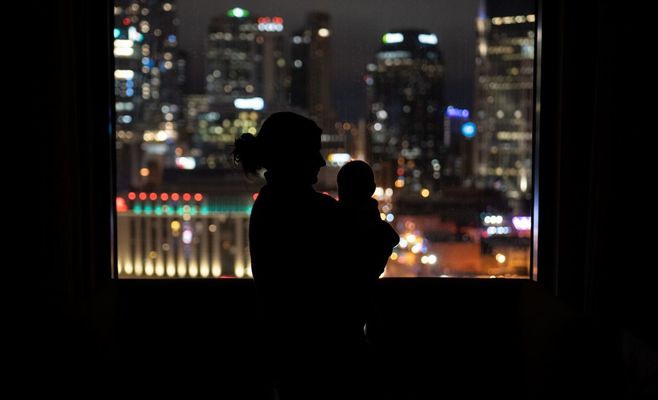
Mental health among children and teenagers in the Czech Republic is deteriorating rapidly: psychiatric hospitalizations, cases of self-harm and, tragically, child suicides are all on the rise. This is according to data compiled by Daniela Krasenská, a journalist at Seznam Zprávy who has long covered mental health issues among young people.
According to her, warning signs — anxiety, depression and general emotional distress — are now appearing in much younger children than before, including primary school pupils. Experts acknowledge that part of the rise in statistics is due to better diagnosis and society's growing openness about mental health. Still, the overall concern is well-founded.
Alarming Statistics
Over the past decade, the number of children with mental health issues in the Czech Republic has grown by roughly a third. One in five teenagers regularly self-harms, and hospitalizations of girls for deliberate self-injury have more than doubled over the past four years.
Suicide rates are climbing too. In 2023, 48 children and teenagers under 19 took their own lives in the Czech Republic, eight of them younger than 14. Antidepressant use tells a similar story: last year, more than 33,000 patients under 19 were prescribed them. Today, suicide is the fourth leading cause of death among people aged 15 to 29.
The government of Prime Minister Andrej Babiš (ANO) has named mental health one of its priorities, stressing the importance of public education and building a network of crisis services. Yet the average waiting time to see a specialist currently runs from six to nine months — and even longer in some regions.
It's Not About a "Fragile" Generation
Experts stress that the decline isn't due to young people being "coddled," as older generations often assume, but rather to the genuinely difficult era these children are growing up in. Today's kids have come of age amid a string of overlapping crises — climate change, COVID lockdowns, economic downturns, the war in Ukraine. The world around them has become deeply unpredictable.
Adding to the anxiety is the rapid advance of artificial intelligence, which experts predict could replace humans in many professions, leaving young people uncertain about their future education and career choices. Some specialists link the rise in anxiety directly to this sense of unpredictability and the pressure to cope alone, now that the experience of previous generations no longer offers reliable guidance.
Would Banning Gadgets Help?
Technology and social media add further pressure on children, offering almost limitless opportunities to compare themselves with others. While many experts agree that mobile phones and social media can genuinely be a source of problems for schoolchildren, not everyone believes an outright ban would solve the issue.
Over the summer, the Babiš government backed the idea of banning mobile phones in primary schools starting with the new school year. Some experts welcome the move, while others are critical. Similar debates surround proposals to ban social media for certain age groups: Prime Minister Babiš himself has spoken in favor of banning it for children under 15, following France's example.
This year, researchers at Masaryk University spoke out against sweeping restrictions, pointing out that current science lacks sufficient evidence that a total ban on social media actually improves children's mental health.
More Specialists — Fewer Problems?
Debate also continues over expanding the number of specialists within the mental health support system. Since July 1, a new exemption in the Czech business licensing law has allowed psychotherapists to offer psychotherapeutic counseling. Opinions here are divided as well: some believe this will make help more accessible, while others fear it could lower the quality of services.
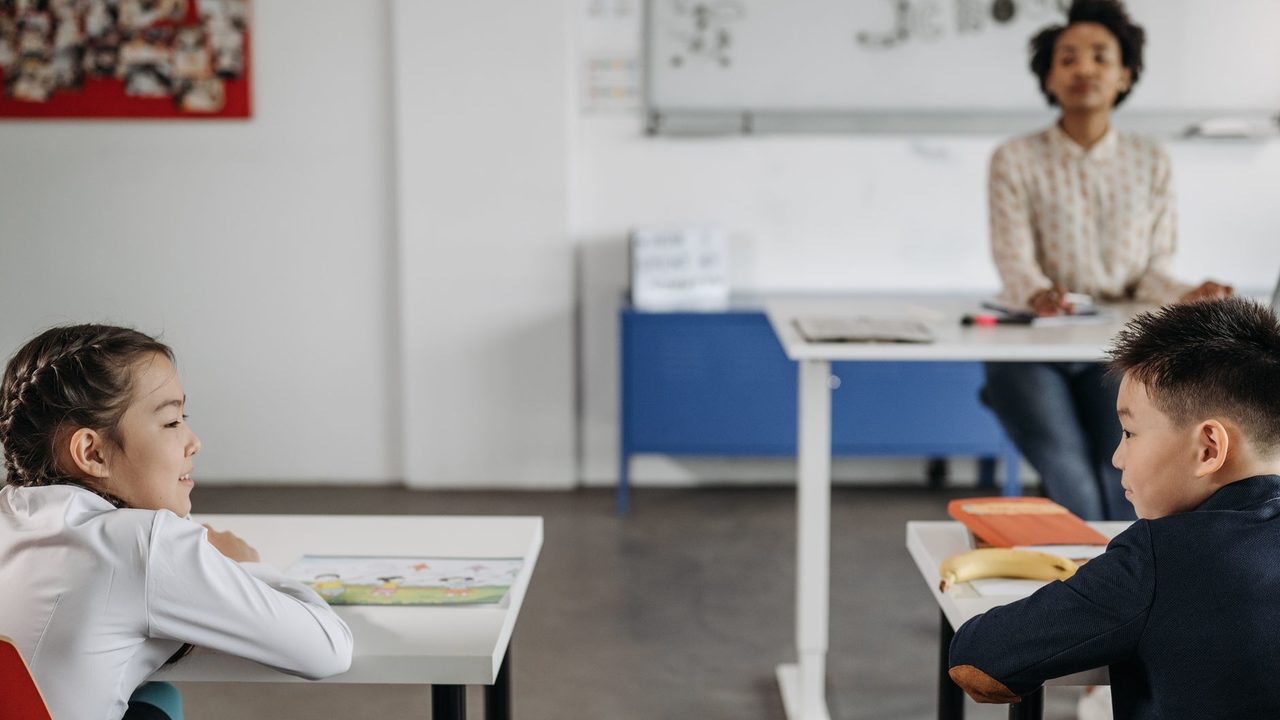
There's broader agreement, however, on the need to strengthen prevention efforts so that problems can be identified in children early on. Clubs and low-threshold leisure centers could serve as key points of first contact, requiring only basic training for teachers and staff. Experts say that often, simply asking a child whether everything is okay and whether they'd like to talk is enough to offer the very first — and most crucial — form of support.
Source: seznamzpravy.cz