Ostrava orders cottage owners to vacate plots by Opava river
USD 21,62
Popular
The town hall of Ostrava’s Hošťálkovice district has refused to renew the lease on land beneath a cottage colony by the Opava river and has ordered the owners of several dozen cabins to vacate their plots within a week. According to the owners, some of the cottages have been officially registered in the real estate cadastre for more than 60 years, and hundreds of thousands of crowns were spent renovating them after the flood.
Owners threaten court action
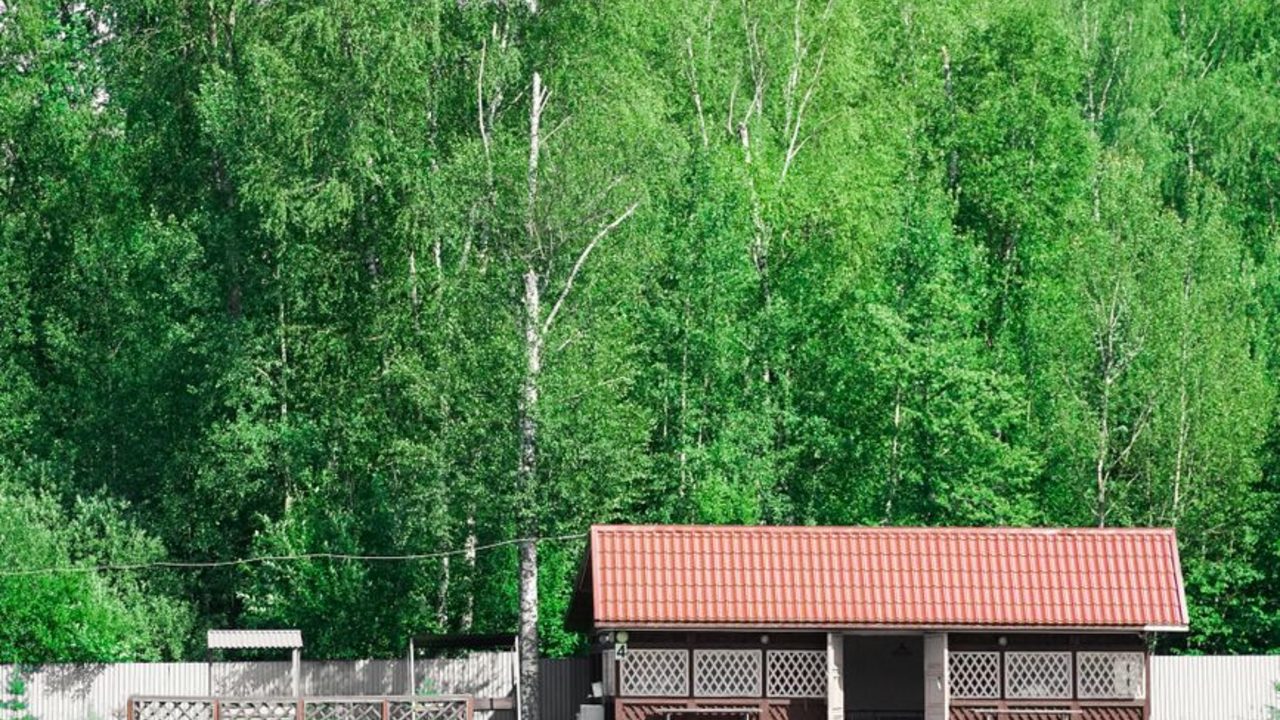
The cottage colony lies in a forest behind an industrial zone, about a kilometre from the centre of Hošťálkovice. For decades the land has belonged to the city, which leases the plots to gardeners, while some of the cottages are officially registered as private property with their own cadastral number.
Filip Mráz, one of the owners, says his cabin has stood for more than 70 years and was officially put into use 62 years ago; he himself has owned it for 15 years and spends summers there relaxing with family and friends. This summer Mráz learned that his lease would not be renewed, and at the end of August he received an official notice from the law firm representing the district demanding that he vacate the plot within seven days or face court proceedings. Mráz refused to leave and instead paid his next annual lease instalment.
His interests, along with those of several other cottage owners, are represented by lawyer Petr Kausta. He stresses that the buildings are entered in the real estate cadastre, meaning this is not a matter of a temporary tent in a meadow: the structure itself belongs to the people, while the land beneath it belongs to the city. According to the lawyer, refusing to renew the lease effectively deprives the owners of the ability to use their own property, and the town hall has still not discussed the plots’ future with the homeowners. The cottage owners intend to demand that the city either continue the lease or buy out the land, and are prepared to go all the way to court if no agreement is reached.
The reason: the zoning plan and the flood risk
District mayor Jiří Jureček explains the decision by saying the cottages conflict with the zoning plan and that the colony itself lies in a flood zone that was hit by a severe flood two years ago. According to him, Ostrava city hall’s environmental department recommended that districts stop renewing leases altogether for plots in garden colonies located in flood zones. “I only did what was recommended,” the mayor says.
Jureček maintains that the zoning plan for this bank of the Opava river allows only for “landscape greenery” — the strictest land-use category, under which not even a fence may be built. According to him, the cottage owners themselves could change the situation if they managed to get the zoning plan amended, as has already been done on the opposite bank of the river in Třebovice. He declined to say whether homeowners could go on using their property after the lease expires, citing that “these legal subtleties are for lawyers to decide.”
Ostrava city hall steps into the dispute
The cottage owners and their lawyer also spoke at a meeting of the district council, from which, by his own account, Mayor Jureček was forced to be absent. Earlier, at a meeting with residents, the dispute had escalated into shouting between the mayor and the protesters, with each side accusing the other of manipulating the facts.
Ostrava deputy mayor Aleš Boháč confirmed that city hall would look into the complaint submitted by the cottage owners. According to him, right after the flood the city assembly approved a principle of not restoring property in flood zones if it had already been damaged by water repeatedly. At the same time, he noted that it was wrong to “tar everyone with the same brush,” since some buildings may have been erected illegally while others are officially registered in the cadastre, so the building authority must examine each cottage individually.
The dispute is intensifying against the backdrop of municipal elections due to take place in the district in two weeks, with Jureček again running for mayor. About a year ago the district found itself in a similar conflict with residents: hazardous waste was discovered on plots the town hall had sold to people for building houses, forcing the district to refund the buyers and compensate them for the damage.
Source: seznamzpravy.cz