Farm Plow Hints Led to a Buried Pot of 200-Plus Celtic Silver Coins in Hungary
USD 22,26
Popular
Archaeologists in western Hungary have uncovered a hoard of more than 200 Celtic silver coins, each over 2,000 years old, according to Live Science. The cache is described as one of the largest found in the country in decades.
The coins came out of the ground during excavations carried out before construction of an electrical substation, between 2023 and 2025, based on a translated statement from the power company E.ON. They date to sometime between the late second century B.C. and the early first century B.C.
How the coins were found
The site was once part of a farm, and over recent decades plowing had turned up a handful of single coins there. During the latest dig, the team first located a few coins and then swept the area with metal detectors, which led them to the main stash.
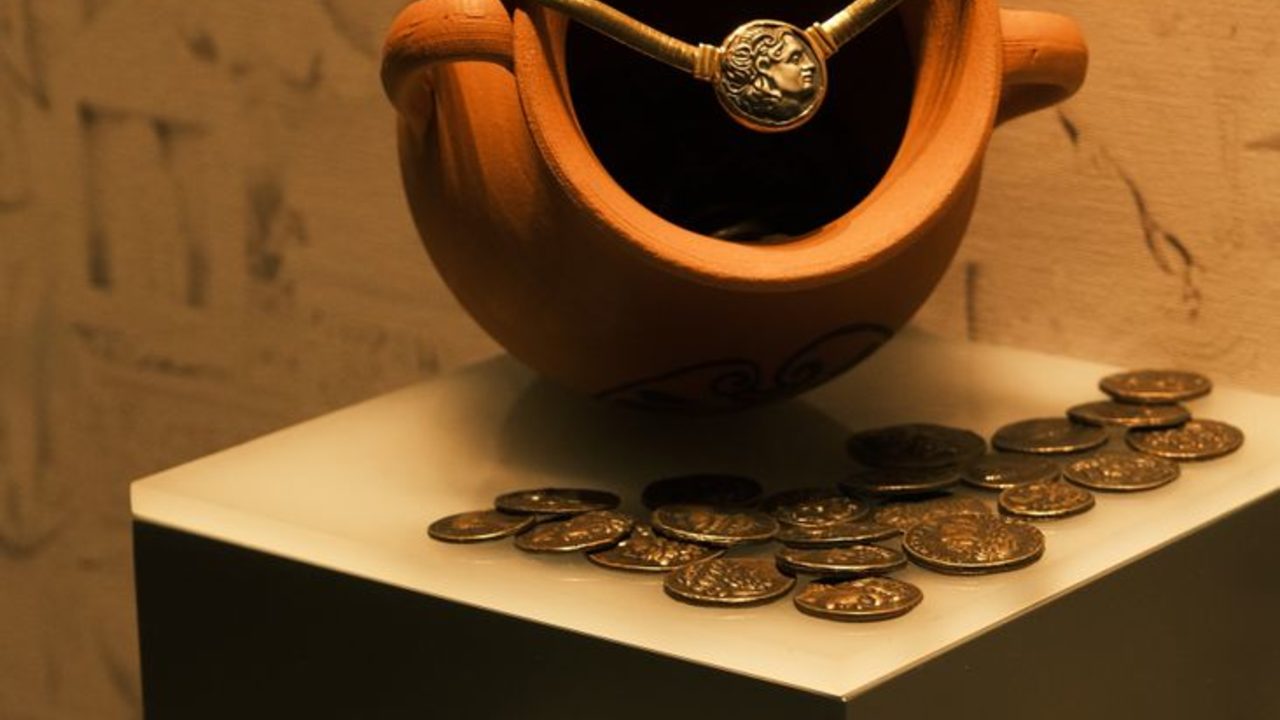
The treasure had been packed into a small ceramic vessel buried about 16 inches (40 centimeters) deep. Together the coins weigh roughly 4.4 pounds (2 kilograms). The statement said the silver alone would fetch more than $2,000 at today's prices, though the rarity and historical value make the find effectively priceless.
Eszter Kreiter, an archaeologist at Hungary's National Archaeological Institute, called it “a rarity in Europe” at a news conference, according to local news outlets. She added that the last comparable discovery in Hungary came in the late 1960s.
What the coins look like
The coins are Celtic copies of Greek tetradrachms, a very early kind of large silver coin introduced in the late sixth century B.C. These copies belong to a type known as Velem, named for Velem-Szent Vid, a fortified Celtic hilltop settlement. Similar coins have turned up at that site, which lies about 10 miles (15 kilometers) to the west.
Each coin carries a stylized head on one side that probably shows the Greek god Apollo. The other side shows a helmeted rider and a horse.
A site with a long history
The excavations found signs of human occupation stretching back more than 7,000 years, officials wrote. Finds include a polished stone chisel of nearly that age, used for woodworking, and a glass bead with a peacock's-eye pattern that seems to have been part of a piece of jewelry from the sixth or seventh century B.C.
A Roman-era villa was later built on the same spot. Kreiter said its builders did not disturb the buried silver. The villa is long gone, but the team was able to reconstruct its floor plan, including an underfloor heating system. They also found a Roman-era brick bearing a dog's paw print.
Why it matters: money, status and ritual
Live Science, citing the work of British coin expert Christopher Howgego of the University of Oxford, reported that Celtic tribes in the Carpathian Basin, which covers parts of present-day Hungary and Romania, began minting their own silver coins after Celtic mercenaries saw such money while serving with Hellenistic armies in Greece and Macedonia.
Howgego has written that these Greek-inspired coins mixed adapted classical portraits with distinctly Celtic designs. Their makers valued them highly, so they were rarely spent on everyday purchases. Instead they were often stored as wealth or buried as ritual offerings. A pot of coins like this one therefore offers a rare look at how people in the region saved wealth, or marked sacred moments, in the centuries before Roman rule took hold.
The finds also show how routine building work can bring such history to light. Excavations required ahead of construction are what exposed both the hoard and the long record of settlement around it.
What happens next
The artifacts from the site will become part of a museum exhibition, according to the report. Details on timing were not given.
Around Prague, based on reporting by Live Science