The First Photo of a Meteor Was Taken in a Storm of Thousands an Hour
USD 22,31
Popular
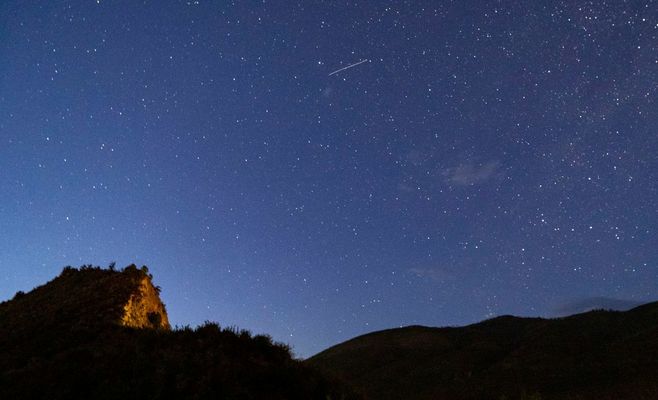
On Nov. 27, 1885, an astronomer made what is regarded as the first known photograph of a meteor. Austro-Hungarian astronomer Ladislaus Weinek recorded the streak of light on a photographic plate in what is now the Czech Republic, Space.com reported in its “On this day in space” series.
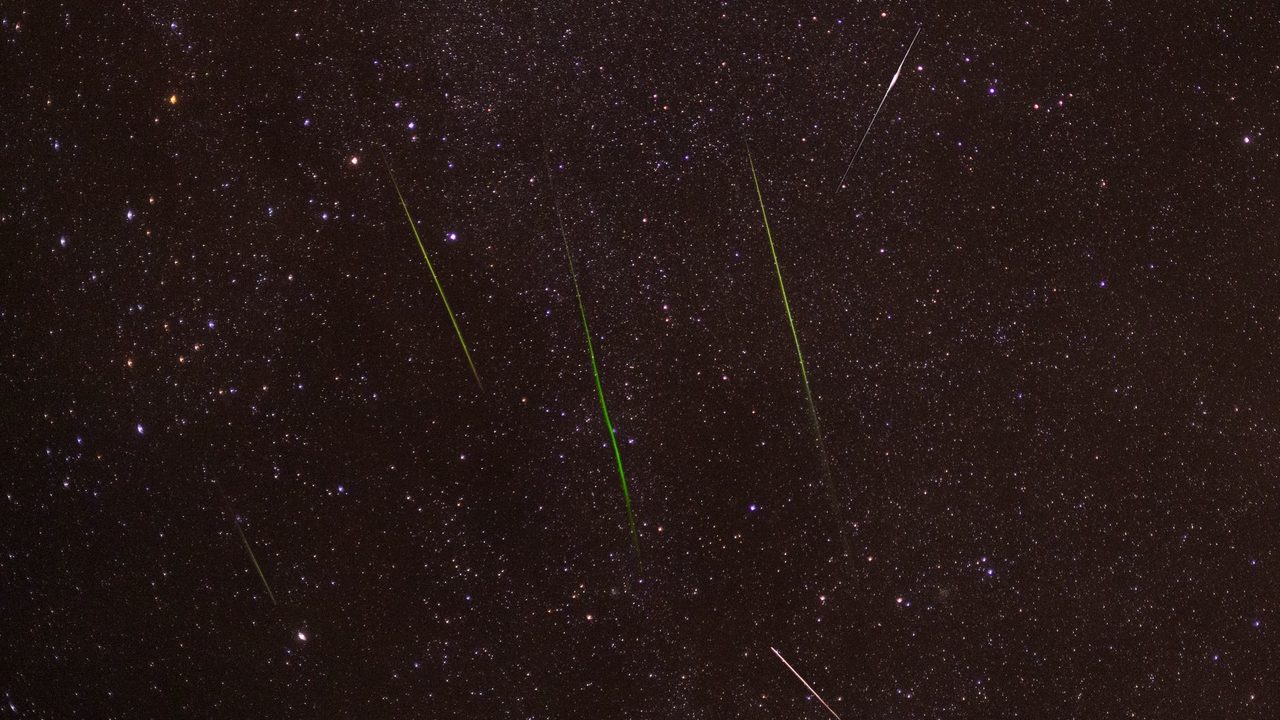
The meteor belonged to the Andromedids, a shower linked to Biela’s Comet. The night was exceptional: the shower was in the middle of a meteor storm, meaning far more meteors than usual, and skywatchers could see thousands per hour, according to Space.com.
What Weinek captured and why the storm mattered
A meteor storm is a burst of activity well above a shower’s normal rate. Weinek’s photograph caught one trail from that burst. Space.com describes it as the first known image of its kind, and it shows that photographic plates could be used to record meteors, not just to study stars and other fixed objects.
The Andromedids were an annual treat for skywatchers in 1885, who hoped to glimpse the remains of Biela’s Comet. That comet was first spotted in 1772 and was found again, for the third time, in 1826 by the German astronomer Wilhelm von Biela, who gave it his name. It broke apart in the 1850s, and the debris it left behind feeds the shower.
What became of the Andromedids
Few stargazers today know the Andromedids. Space.com notes that what was once a spectacular yearly display is now hardly visible at all.
There have been hints of a revival. In 2011, astronomers announced that the shower seemed to be growing more active again, with 50 meteors per hour. Increases were expected in 2018 and 2023.
Why it matters: from glass plates to tracking equipment
The story of the 1885 photograph is also a story about how observing has changed. Space.com points out that camera technology has come a long way since then. Because the Andromedids are now so faint, astronomers can no longer rely on a simple plate or a digital camera. They need special tracking equipment to record images of Andromedid meteors.
For anyone who enjoys watching the night sky, the anniversary is a reminder that meteor showers are not fixed features. They depend on the debris a comet leaves behind, and a shower that once drew thousands of meteors an hour can fade to almost nothing. Biela’s Comet is the example here: its breakup in the 1850s produced a storm that was bright enough to be photographed in 1885 and is now barely noticeable.
Read next
Leonid Meteor Shower Peaks Nov. 17, but Expect Just 15 an Hour
Leonid Meteors Peak Nov. 17, but a Storm Isn't Expected This Year
What the Orionid Meteor Shower Peak Means for Your Night Sky Plans
Around Prague, based on reporting by Space.com