Venus Blazes in the Dawn Sky, 25 Times Brighter Than Sirius at Peak
USD 21,80
Popular
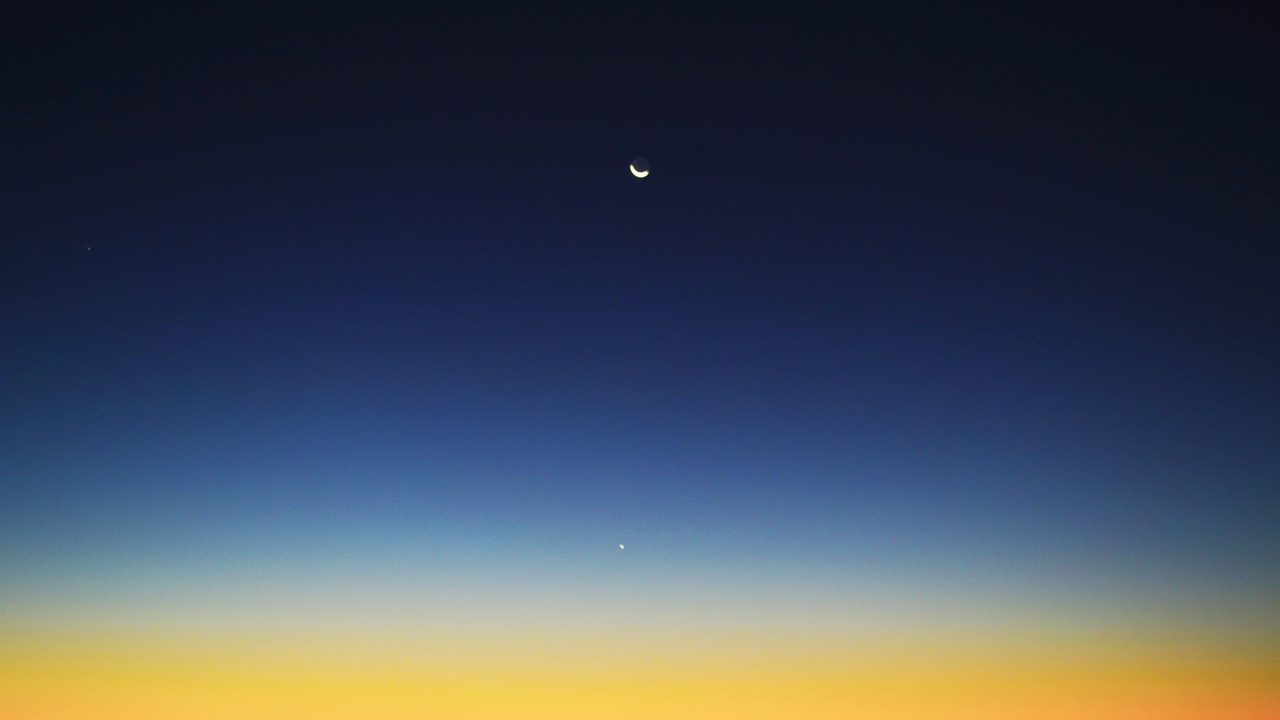
That brilliant, star-like point low in the east-southeast sky before sunrise is not a star. It is the planet Venus, and according to Space.com it is only starting its climb. The planet will keep rising earlier and shining brighter until it reaches peak brilliance on Nov. 29.
Space.com skywatching columnist Joe Rao wrote that the object appeared almost suddenly. A couple of weeks earlier it was not visible at all, but it now stands out enough to catch the eye of commuters heading east in the dark.
How Venus got here and where it goes next
The change comes from Venus's position relative to Earth and the sun. Here are the dated steps Space.com lays out:
- Oct. 24: Venus reached inferior conjunction, passing between Earth and the sun and shifting from the evening sky to the morning sky.
- Early November: Venus now rises more than 90 minutes before sunrise, and it will rise three minutes earlier each day.
- Nov. 29: Venus reaches peak brightness, at a magnitude of -4.9.
- Dec. 17: Venus rises 3 hours and 50 minutes before sunrise. It then shines in a fully dark sky for more than two hours before the first hint of morning twilight.
- New Year's Day through late March: Venus slowly slides back toward the sun, rising about 1½ minutes later each morning. By late March it comes up roughly 100 minutes before sunrise, as dawn is breaking.
- Late June: Venus rises less than an hour before sunrise.
- July: Venus vanishes into the bright dawn twilight.
Rao wrote that Venus will not return until about this time next year, when it will begin what he called a very fine evening appearance.
Just how bright is it?
At its Nov. 29 peak, Venus will shine at a magnitude of -4.9, a scale on which lower numbers mean brighter objects. According to Space.com, that is 12 times brighter than Jupiter, its nearest planetary rival. It is also a full 25 times more dazzling than Sirius, the brightest of all stars.
Rao wrote that skywatchers in rural areas without light pollution might even notice Venus casting a faint shadow. If you keep watching after the sun comes up, he said, the planet should remain visible to the naked eye in full daylight as a tiny white speck against the blue sky. He also compared Venus to this year's version of a "Christmas Star," glowing in the east.
What it means for early risers and commuters
For anyone up before sunrise, the practical upshot is that the bright light low in the east-southeast is a planet, not an aircraft or something unexplained. Rao suggested that people who mention a "strange UFO" on the way to work or school can be set straight.
The viewing window is also getting more generous. Because Venus rises earlier each day until Dec. 17, it will be up in a dark sky for longer. No telescope is needed. Space.com describes the planet as obvious to the naked eye.
The show is also time-limited. After mid-December, Venus starts a long, gradual descent. It rises later each morning through spring, and it fades into the dawn glow by July. The best views come in the weeks around the Nov. 29 peak and the Dec. 17 high point in early-morning visibility.
Why Venus appears and disappears
Venus sits closer to the sun than Earth does, so from our vantage point it swings between the evening and morning skies. The Oct. 24 inferior conjunction marked the moment it crossed between Earth and the sun and switched from one to the other. Since then it has been pulling away from the sun's glare, which is why it is now rising ahead of the dawn. In the months ahead it will drift back toward the sun, the reverse of what is happening now.
Rao is an instructor and guest lecturer at New York's Hayden Planetarium and writes about astronomy for several publications.
Read next
Taurid Meteors Peak Nov. 4-5, With Fireballs Brighter Than Venus
What the Orionid Meteor Shower Peak Means for Your Night Sky Plans
Astronomers Match Van Gogh's Starry Night to a Real Dawn Sky in July
Around Prague, based on reporting by Space.com