Will a Social Media Ban Change Teen Brains? 300,000 Young Britons Will Help Find Out
USD 22,18
Popular
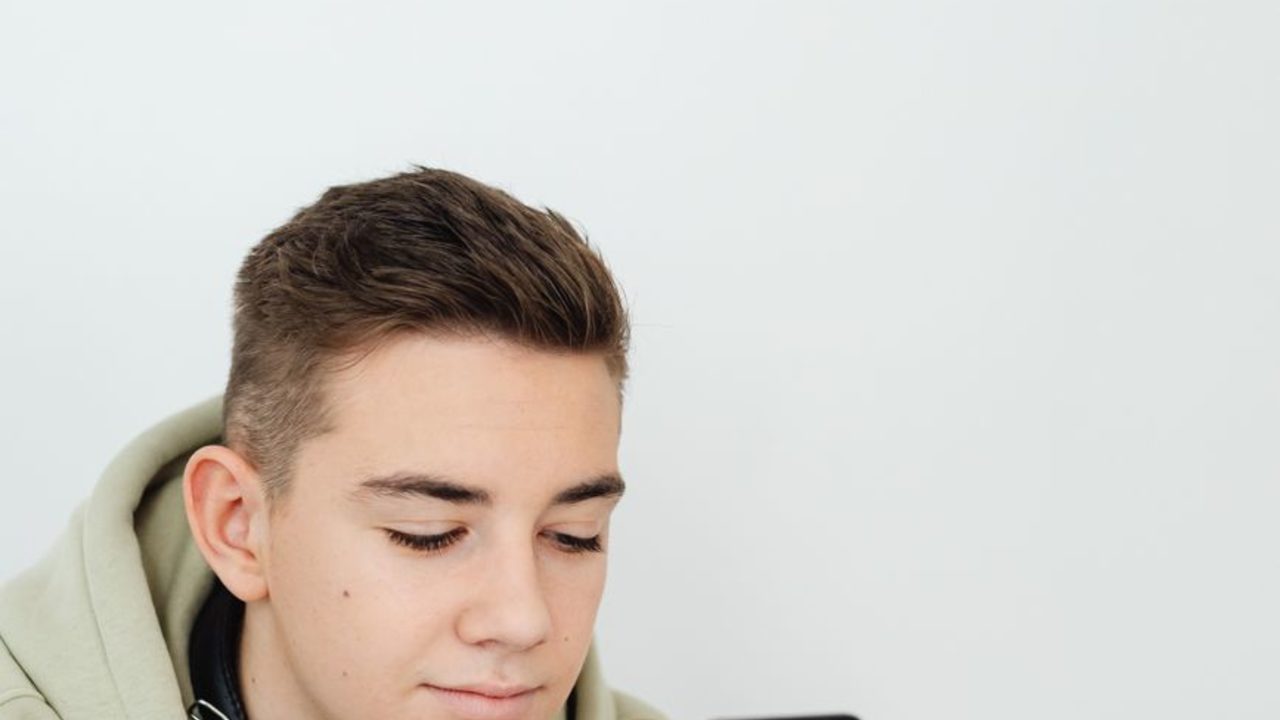
Governments are rushing to restrict children's social media use, but there is little hard evidence on whether the bans help. A new research program in Britain aims to change that. Led by the health charity Wellcome, it will follow more than 300,000 young people through the introduction of a ban for under-16s in the UK, which is expected in spring 2027, the Guardian reported.
The Guardian describes it as a first-of-its-kind scientific study. Ten projects will compare children's mental health, sleep, physical activity and other factors before and after the ban takes effect.
What the researchers want to find out
Wellcome is backing the work with £9.3m, according to the Guardian. Dr Camilla Iannone, the charity's research lead, said the public debate over the ban has been heated, yet there is very limited scientific evidence on how social media and restrictions on it affect the mental health of young people.
She called the ban a once-in-a-generation chance to study the question at scale. Iannone said the team does not see it as a simple matter of social media being good or bad, or of restrictions working or not working. The goal, she said, is to learn whether changing a young person's digital environment leads to meaningful changes in mental health and wellbeing.
How the projects will work
One project, called Smart Schools Plus, is co-led by Prof Victoria Goodyear of the University of Birmingham. It will cover 16 schools and 800 pupils in England. Beyond mental health, the team will look at physical activity, sleep, social networks, disruptive behavior in class, attainment and attendance. It will gather data through surveys, apps, interviews, digital diaries and research-grade activity trackers.
Goodyear said the team wants to understand why outcomes change, or why they do not, by testing whether sleep, exercise, social networks and school factors influence mental health results.
The same project will examine whether risky material, such as content related to self-harm, suicide and eating disorders, has shifted from one online platform to another because of the ban.
A second project, co-led by Dr Gemma Knowles of King's College London, will test whether the effects of the ban differ for young people of different genders, social classes and sexual orientations.
A third, led by Dr Alex Kwong of the University of Edinburgh, will work with families across England, Wales and Scotland. Kwong said the team wants to see how the restrictions affect children and families together, including whether they lead to conflict and how families handle it.
Do teenagers find workarounds?
Kwong's team will also check whether young people get around the rules. He said that if children and teenagers keep using social media after the ban, that marks the gap between policy on paper and policy in practice.
What the ban is expected to cover
In the UK, the ban is expected to bar under-16s from platforms such as Instagram, YouTube, TikTok, Snapchat, Facebook and X, the Guardian reported. There will also be restrictions on live-streaming and on contact from strangers on gaming platforms.
Australia introduced a similar ban for under-16s last year, and Canada, Greece and Denmark are among other countries taking action, according to the Guardian.
Why it matters for families and policymakers
Opinion on the ban is divided. Some people worry about young people who depend on social media for friendships, while others argue that children will simply find ways around the rules. Parents, teachers and lawmakers have so far had to judge these claims without much direct evidence.
The researchers hope their results will give people working on online safety and digital policy clearer answers about what such bans actually do. Because the studies will measure children both before and after the rules begin, they can show what changes rather than relying on assumptions. The reported design also lets researchers ask who is affected most, and whether the effects differ across groups of children.
Around Prague, based on reporting by The Guardian