Tourist fell into a crevasse on Mount Triglav, rushed to buy travel insurance — and ended up convicted of fraud
USD 21,73
Popular
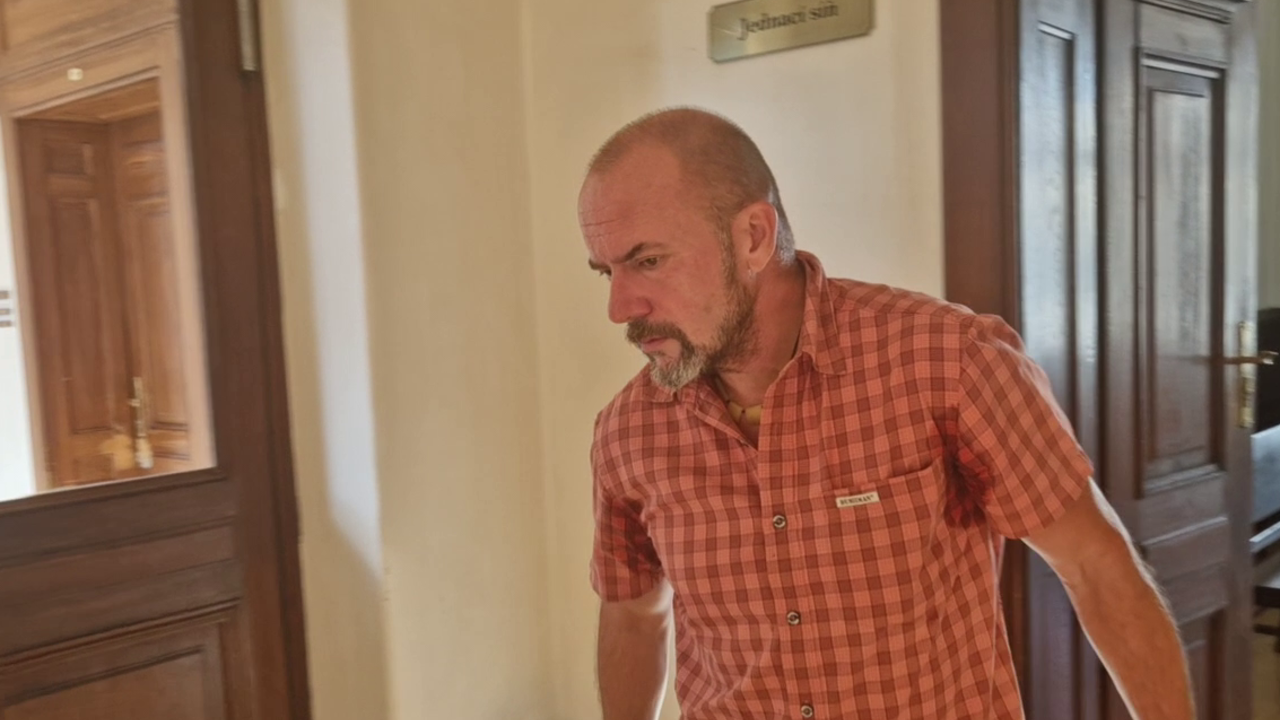
On 27 October 2022, Czech resident Dalibor Žák set off to conquer Mount Triglav in Slovenia. During the climb he plunged into a ten-metre-deep crevasse and was injured — but instead of immediately calling for help, he took stock of the situation and phoned his daughter, asking her to urgently arrange travel insurance for him that would cover high-risk sports.
Only after the battered man — likely still in shock — had, through his daughter, backdated an insurance policy, did he finally call mountain rescue and paramedics.
The scheme fell apart over a single minute
The plan unravelled on a technicality: the man called rescuers at 12:21, while his insurance policy only took effect a minute later, at 12:22. He told the insurance company that the accident had actually happened at 12:31, apparently trying to paper over the discrepancy.
The case went to court, which found Žák guilty of insurance fraud. He received an eight-month suspended prison sentence with a 16-month probation period, and was ordered to pay 53,000 crowns in damages.
Constitutional Court complaint went nowhere
The man disagreed with the verdict and filed a complaint with the Constitutional Court, arguing that the lower courts had violated his rights — claiming they had failed to properly consider his request for additional evidence and had not given sufficient attention to his appeal.
However, the senate, chaired by rapporteur judge Kateřina Ronovská, found no grounds for intervention. "The complainant's objections were duly examined. The courts' actions in no way violated his fundamental rights. The Constitutional Court therefore dismissed the complaint as manifestly unfounded," the court's published ruling states.
Source: novinky.cz