Babiš wants to give police power to shut down shops selling "synthetic marijuana"
USD 21,75
Popular
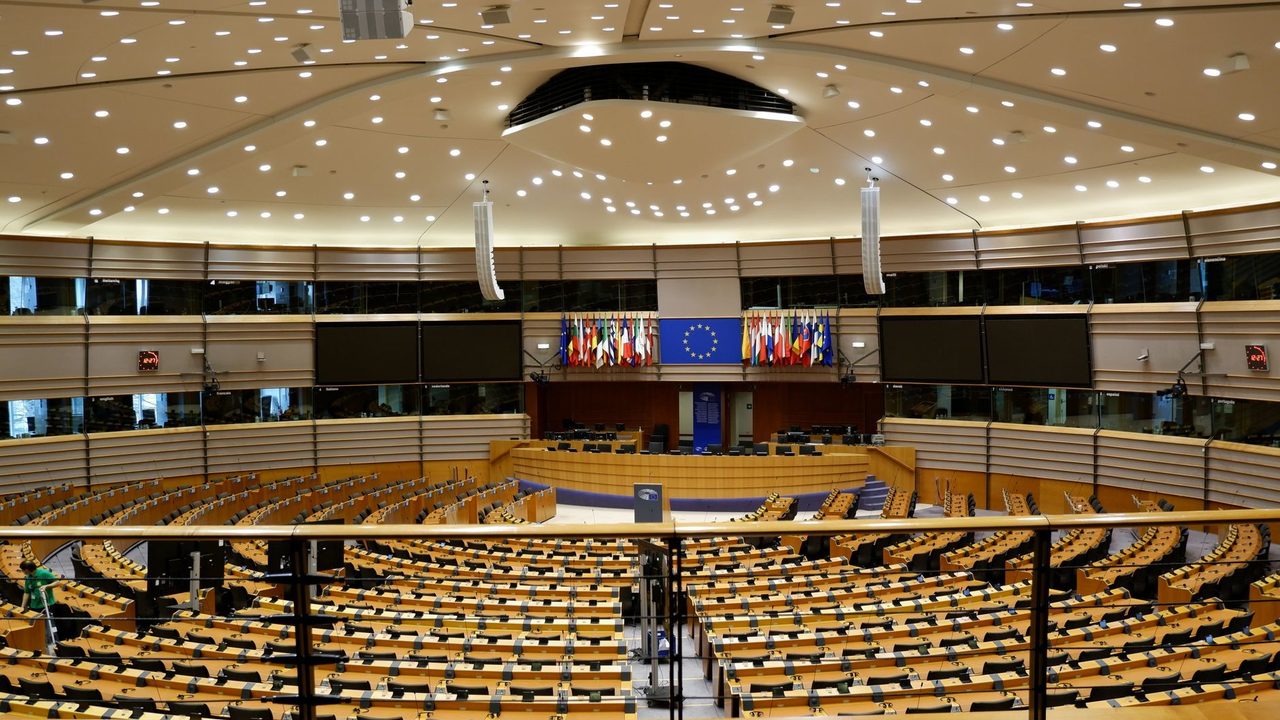
Coalition politicians led by Prime Minister Andrej Babiš submitted a bill to parliament on Friday that would give police the authority to immediately shut down shops selling banned psychoactive substances — for up to 14 days. The document was also signed by Motorists' Party leader Petr Macinka and SPD chairman Tomio Okamura.
The bill primarily targets so-called cannabis shops, which have been popping up en masse in major Czech cities, selling synthetic cannabinoids disguised as harmless sweets and cookies. "They're selling products that look like cookies or candy, but are in fact life-threatening because they contain psychotropic substances. It's an absolute scandal," Babiš himself said earlier in a video address on social media.
How the bill's authors explain it
Deputy Patrik Šťastný explained that in practice, police currently work together with trade or food inspectors to seize goods, but by the time officers reach the end of the street, sales have already resumed. "The prime minister and I are counting on immediate, swift and stricter punishment. Administrative proceedings drag on for six months or a year, and meanwhile the owners simply liquidate the company and open a new one," he said.
Under the proposal, the decision to shut down a shop would depend on the level of risk, the amount of dangerous substance involved, and how the owner responds after being ordered to stop selling. If the danger is not confirmed, police would be required to lift the closure, and the decision itself could be appealed within three days — with police obliged to review such complaints on an expedited basis.
Critics warn of encroachment on constitutional rights
The bill's authors themselves acknowledge in the explanatory memorandum that the measure affects the constitutional right to property and to conduct business. In their view, the interest in protecting citizens' health is justified and balanced by the possibility of filing a complaint.
Deputy Štěpán Slovák (ODS) disagrees: "I am in no way defending outlets that sell products dangerous to health, but I consider the proposed police powers far too broad." According to him, there's a big difference between immediately stopping the sale of a dangerous product and shutting down an entire business for two weeks. He proposes limiting emergency closures to 48 hours, after which a relevant authority or court should take over the case, warning: "One day, the same powers could be applied in a completely different area."
Poisonings among teenagers on the rise
The shops, whose storefronts are often decorated to look like cannabis outlets, mainly sell synthetic cannabinoids — artificially created substances derived from THC, the active compound in marijuana, but far more potent in their effect on the body. According to Prague emergency responders, the number of poisonings from these substances has risen sharply over the past year, while the average age of victims keeps dropping — the youngest patient treated so far was just eleven years old.
Police data show that in the first five months of this year, out of 235 registered intoxication cases, one in ten ended in death. Synthetic cannabinoids and kratom were involved in 161 cases, four of which ended tragically. Babiš and his government have named the fight against new psychoactive substances one of their priorities: back in June, the prime minister announced plans to draft a law restricting the sale of kratom.
Source: novinky.cz