Prague Doctors Develop Pulmonary Embolism Treatment That Cuts Complication Risk by 90%

USD 21,74
Popular
Doctors at the Cardiology Clinic of the University Hospital Královské Vinohrady (FNKV) and the 3rd Faculty of Medicine at Charles University in Prague have presented the results of PRAGUE-26, the world's largest randomized trial on treating acute pulmonary embolism — a condition in which blood clots block the pulmonary arteries. The new treatment method reduces the risk of severe complications by 90% during the first week of therapy.
One patient who experienced the procedure firsthand was Zuzana Vorlová, who suffered from severe shortness of breath and fatigue. Her daughter, who works in healthcare, insisted on an urgent examination — a CT scan at FNKV confirmed acute pulmonary embolism. "It all happened quickly and was almost painless. The only unpleasant part was the two punctures in my groin for inserting the catheters. After that, I didn't feel anything — just relief and a sense of calm," said the woman, who noted she had had no prior health complaints; the embolism developed after prolonged bed rest following spinal surgery.
How the new method works
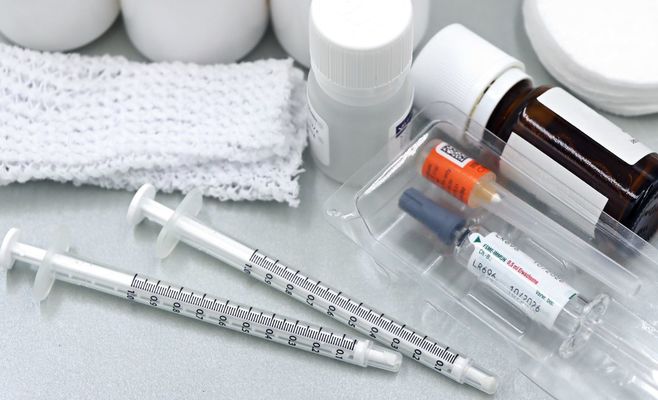
Doctors insert two thin catheters into the pulmonary arteries blocked by clots, delivering a small dose of a thrombolytic — a drug that actively dissolves blood clots directly in the lungs. The catheter-directed local thrombolysis procedure itself is not new, and according to the study's authors, it can be easily learned by doctors who haven't performed it before.
What's new is the scale of the scientific verification. The study involved 558 patients from eleven medical institutions across the Czech Republic, including hospitals in Brno, Ostrava, Olomouc, Plzeň, Hradec Králové, and other cities. 278 patients received standard anticoagulant therapy, while 280 received the same therapy supplemented with catheter-directed thrombolysis.
A significant reduction in complications
According to the study, the additional catheter-based therapy significantly reduces — by 90% — the rate of serious complications within the first seven days of treatment, including worsening cardiac or respiratory function and, in extreme cases, death. "We primarily tracked the patient's clinical condition, not just changes in imaging or lab results," emphasized study co-author Viktor Kočka of the FNKV Cardiology Clinic.
According to another co-author, Josef Kroupa, no study of this scale had previously compared the new approach with standard treatment based on real clinical outcomes for patients.
According to official data, pulmonary embolism affects around 10,000 people in the Czech Republic each year, with 10–20% of patients dying in hospital. The new method isn't suitable for everyone — it is primarily effective for patients with moderately severe forms of the disease, rather than those who lose consciousness due to the embolism. Nevertheless, Jan Trnka, dean of the 3rd Faculty of Medicine at Charles University, called the study groundbreaking: "It could fundamentally change the treatment of acute pulmonary embolism worldwide." New European guidelines for treating this condition are expected in 2027, and the study's authors hope their findings will influence future standards of patient care.
Read also: Brno: What to See and Where to Go
Source: denik.cz