Two-Hour Queues: New EU Border Control System Sharply Slows Down Airports
USD 21,62
Popular
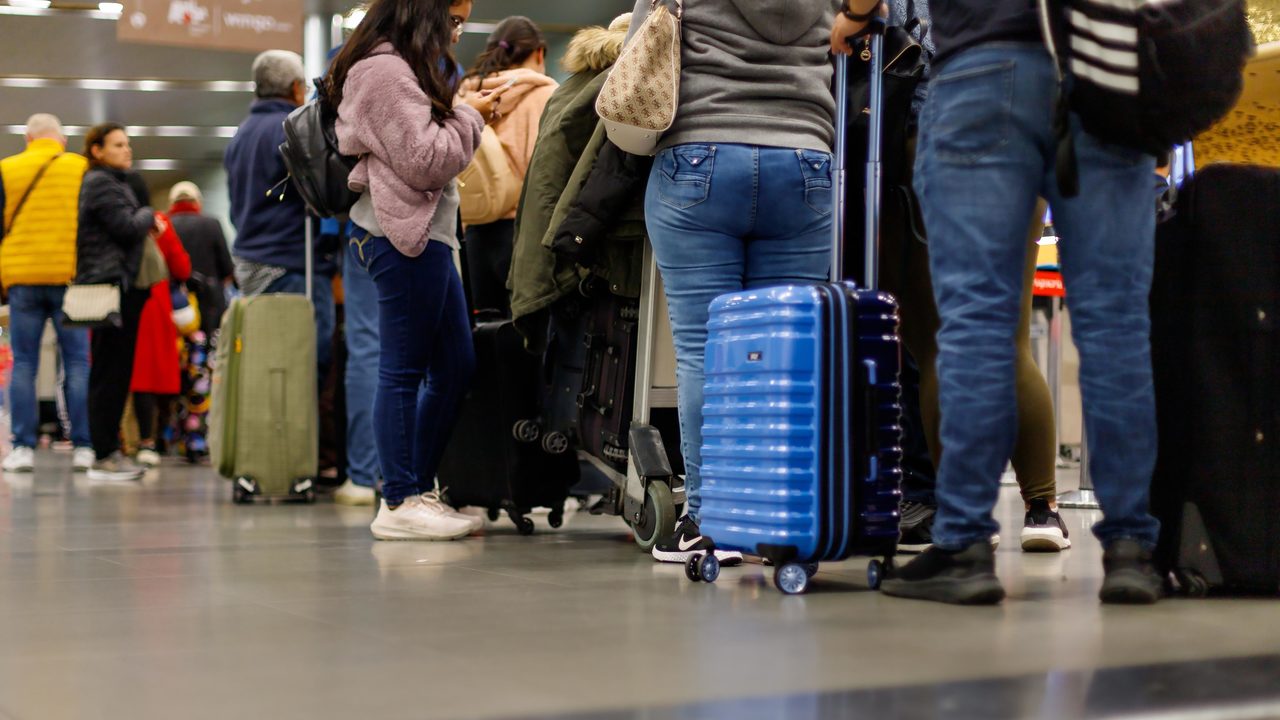
Passport control queues at Europe's largest airports have grown dramatically following the EU's rollout of its new Entry/Exit System (EES) for registering travellers. According to analytics firm Qsensor, maximum waiting times at Frankfurt Airport hit two hours in July — up from around an hour a year earlier.
A similar trend is visible at other major hubs: waiting times in Munich have climbed from 31 to 60 minutes, while at Amsterdam's Schiphol they have doubled from 80 to 120 minutes. According to the British newspaper the Financial Times, the worst bottlenecks are being recorded specifically in Frankfurt, Munich and Amsterdam. The new rules do not apply to EU citizens travelling between member states.
Fingerprints and Photos on Entry
The EES came into force in April and applies to travellers from non-EU countries, including the UK. On their first border crossing, they must provide a photograph, fingerprints and personal details — after which the system electronically logs every entry and exit.
The goal of the new system is to more precisely track who enters the bloc and when they leave, as well as to identify overstayers or individuals wanted by police. However, its rollout has been plagued by technical glitches, equipment failures and delays. Frankfurt Airport has already admitted that the new checks have contributed to flight delays and other operational difficulties.
Airlines Demand a Rethink
One of the system's fiercest critics is Ryanair CEO Michael O'Leary, who argues that EES was poorly designed and that passenger registration should have been moved online, completed before travellers even reach the border. "Only Europeans could come up with something this stupid," O'Leary told investors last month. He noted that Ryanair had recorded serious queues at fifteen airports.
British Airways chief executive Sean Doyle acknowledged that the new system has created problem spots at certain airports, though it has not yet significantly affected the airline's overall operations. EasyJet CEO Kenton Jarvis urged airports to make use of available exemptions during peak hours, rather than forcing passengers to endure multi-hour queues.
Temporary Exemptions in Doubt
For now, temporary exemptions from the rules are what's helping airports cope with the surge: some are skipping fingerprint scans or simplifying registration during peak times. However, this flexibility is due to expire in September.
Eight EU member states, together with Switzerland, have already asked the European Commission to extend the exemptions. Brussels is currently negotiating with countries facing the most acute problems at specific border checkpoints. According to the European Commission, registration in the EES itself takes an average of just 70 seconds, and its impact on passengers is, in most cases, limited.
Source: novinky.cz