Rocket Lab Reaches 100 Launches, Faster Than Any Commercial Rocket
USD 22,10
Popular
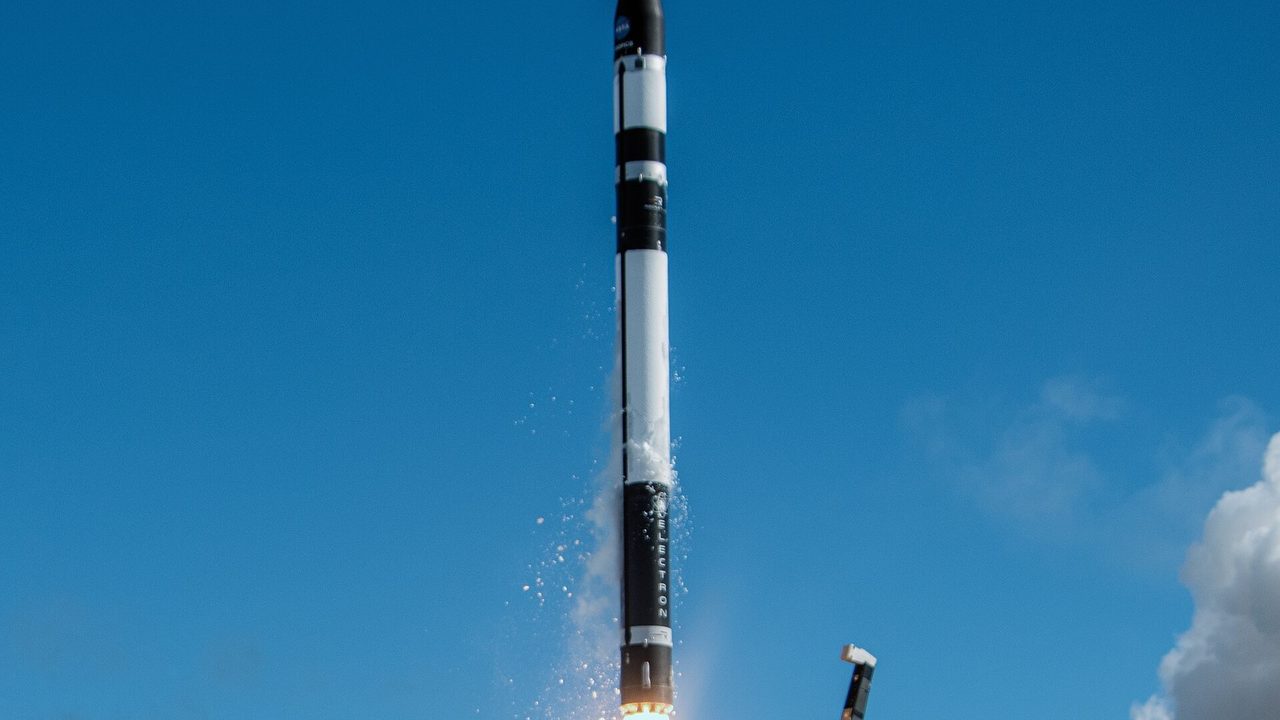
Rocket Lab has launched its 100th rocket. According to Space.com, an Electron lifted off from the company's New Zealand site at 12:30 a.m. EST on Saturday, Nov. 14, carrying a private Japanese Earth-observing satellite. The company, based in California, called the mission “The Mountain God Rises.”
Space.com reported that no commercially developed rocket has reached 100 launches faster, not even SpaceX's Falcon 9, citing Rocket Lab founder and CEO Peter Beck.
How Rocket Lab got to launch 100
- May 2017: Rocket Lab flew Electron for the first time, a test flight from New Zealand. It failed.
- January 2018: On its second liftoff, Electron delivered several cubesats to low Earth orbit.
- Nov. 9: On the company's third-quarter earnings call with investors, Beck called 100 launches an unprecedented milestone for a commercial small-lift orbital rocket.
- Nov. 10: Rocket Lab posted on X a photo of the specially painted first stage prepared for launch 100.
- Nov. 14: Electron launched the 100th mission and placed its payload in orbit.
What happened on the milestone flight
Space.com said everything went to plan. Electron's upper kick stage released a single spacecraft for iQPS, a company based in Tokyo, at an altitude of 357 miles (575 kilometers). It was Rocket Lab's 11th launch for iQPS, which is building a constellation of three dozen synthetic aperture radar, or SAR, satellites in low Earth orbit.
Electron stands 59 feet (18 meters) tall. Space.com described it as one of the most prolific and reliable rockets in the world, flying small payloads for a range of customers.
Not every launch counted toward the total went to orbit. A suborbital version of Electron called HASTE, which customers use to test technologies in a hypersonic flight environment, has flown nine missions so far.
Why it matters
For customers, the number that counts most is reliability, Beck said on the earnings call. He put Electron's reliability rate at 96% across 99 launches before the milestone flight.
The payload also shows what small rockets are used for. SAR satellites can image Earth through cloud cover and at night as well as during the day, which gives them advantages over spacecraft built to view in optical wavelengths. A constellation of them gives a company such as iQPS repeated views of the planet's surface in conditions when optical satellites cannot see.
The company's record also shows how quickly the market for small commercial rockets has grown since a failed first flight in 2017.
Read next
Radar Satellite That Sees Through Clouds and Night Set to Launch on Electron Rocket
Russian Satellite Came Within Meters of a U.S. Commercial Radar Craft in Orbit
A Japanese Satellite Caught Killer Electrons Inside Earth’s Radiation Barrier
Around Prague, based on reporting by Space.com
Cover photo: NASA Kennedy Space Center / Rocket Lab / Wikimedia Commons (public domain)